Introduction
Given the cultural heritage sector is intimately connected to its audiences, whether international tourists, domestic visitors or local communities, this workshop focuses upon how the visitor experience can be better understood – taking into account the changes in heritage engagement amongst younger and future generations – and how the heritage sector can plan for the future.
The first module, “Improving the Visitor Experience”, focuses on enhancing visitor experiences in various contexts and through different but complementary methods which aim to combine a holistic human and immersive experience of heritage. The discussions explore the integration of technology, storytelling and innovative interpretation techniques to create immersive, meaningful connections with audiences. Key themes identified include the importance of the human factor in engaging and mediating multiple narratives, modernising traditional methods, and adapting to new trends in visitor engagement.
Keywords
Interpretation, visitor flow, visitors centres, visitor management, accessibility, provision of services, engaging communities, education, youth markets, using new technologies, feedback and evaluation of experience, international tourists, tour guides
Content
1. Prominent Themes in Visitor Engagement
- Integrating tourism efforts into city planning to foster cultural appreciation.
- Prioritising continuity and sustainability in heritage operations.
- Utilising permanent exhibitions and smaller, adaptable displays to attract broader demographics.
- Focus on personalisation: Visitors value tailored experiences that feel human and authentic.
- Leverage storytelling to connect history with modern relevance.
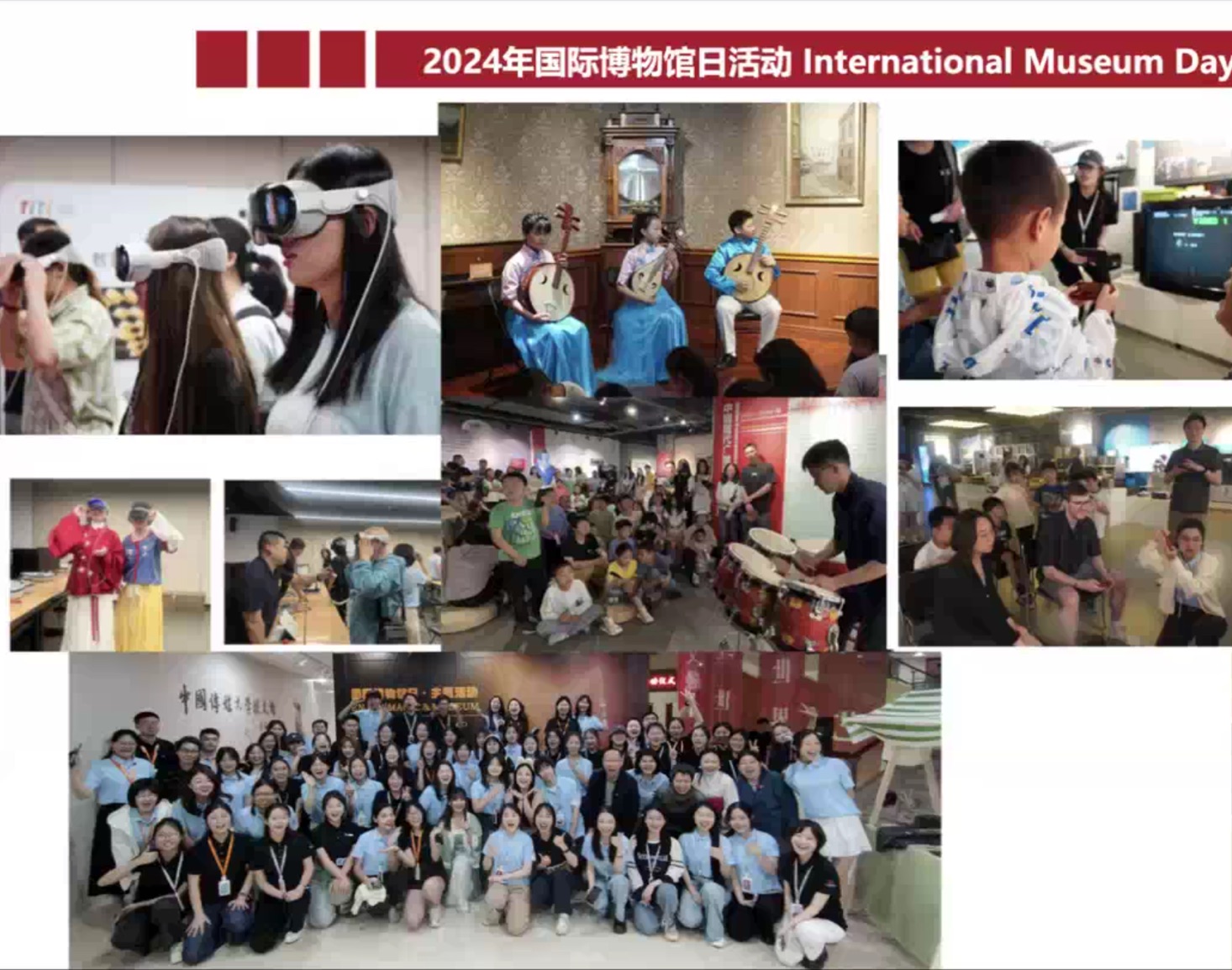
- Creative approaches: new ways of engaging audiences: Livestreaming events and workshops, Shifting to online exhibitions and virtual guides.
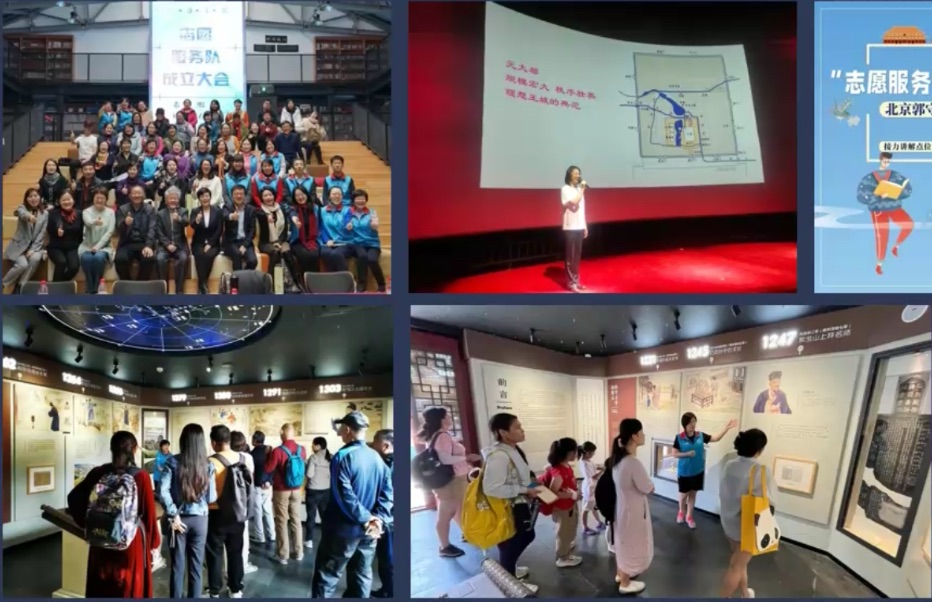
- Collaborations with schools and local communities to inspire youth interest and new ways of learning about heritage.
2. Government Role and Funding Challenges
- Budgetary constraints and the need for financial support in cultural and heritage tourism.
- Adapting multi-layered thematic approaches to enhance government support.
- Examine financial dependency on government/public sector by looking at diverse funding sources and partnerships.
- Encourage partnerships with the private sector to sustain long-term operations.
- Increase investment in virtual accessibility.
3. Technological Integration
- Technology is transforming visitor engagement: virtual tours and live streaming allow access to otherwise inaccessible locations. Tools, including Virtual and Augmented Reality (VR/AR), can enhance presentations.
- Train guides to balance technology use with in-person interactions. Support guides as “human storyteller” who can merge technology with empathy.