Case Study
The Heritage Network, UK
Beth Crockett, Marketing and Communications Officer,
Heritage Network
Background
The Heritage Network is the UK’s umbrella organisation for community and grassroots heritage. It exists to support people who care for the places that matter to them — from high streets to historic churches, from pubs to craft villages. With a small staff team of 13, supported by 12 trustees, the Network stretches across all four nations of the UK, offering training, advocacy, and vital connections.
Funding from organisations such as the National Lottery Heritage Fund, Historic England, Historic Environment Scotland, and Cadw enables the Network to keep its focus firmly on empowering communities. With almost 1,000 members — including charities, individuals, students, and heritage businesses — it has become the backbone of community heritage in the UK.
The Network provides tailored membership, ranging from CONNECT (guidance for groups just starting out) to Network membership (for established trusts needing development support). Heritage businesses and local authorities also form part of the membership, creating a collaborative ecosystem where projects can thrive.
Support comes through training, peer-to-peer learning, advocacy, and events — from the annual conference to specialist workshops on fundraising. The Youth Forum, with nearly 250 members aged 18–30, ensures the next generation is actively shaping heritage, with initiatives like Digital Heroes, pairing young people with organisations needing digital expertise.
Approaches
Community heritage projects save buildings, create jobs, regenerate high streets, and foster pride of place. Yet many grassroots groups face the same barriers: uncertainty about where to start, lack of technical skills, and the slow pace of volunteer-led projects. The Network steps in to guide them, connect them, and give them the confidence to succeed.
In 2023 alone, members completed 240 restoration projects, removed 43 properties from at-risk registers, and collectively cared for 2,010 heritage sites — proof of impact on a national scale.
Resources
Rethinking Heritage Futures, Online Workshop “Developing International Collaborations and Creative Partnerships”, 24 June 2025, Nottingham Trent University (NTU), Communication University of China (CUC).
Projects
1. Building Local Capacity
At the heart of the Heritage Network’s work is helping groups take that all-important first step. For many communities, saving a heritage site begins with an idea — but translating that idea into a functioning organisation is daunting. The Network responds with tailored membership offers. At the entry level, CONNECT membership helps people set up the foundations: choosing the right governance structure, establishing bank accounts, and understanding what it means to run an organisation. For groups ready to grow, Network membership offers deeper support, such as developing restoration projects or strengthening boards of trustees.
This patient, step-by-step guidance has allowed hundreds of grassroots groups to transform from concerned residents into capable custodians of heritage. What could have been overwhelming becomes manageable, and heritage at risk is given a fighting chance.
2. Empowering Young People
The Heritage Network recognises that heritage will only thrive if it engages the next generation. To this end, the Youth Forum has become a vital part of its offer. With nearly 250 members aged 18–30, it provides young people with a platform to shape heritage, build skills, and connect with like-minded peers.
One of the most celebrated initiatives is Digital Heroes. Through this programme, young forum members are paired with heritage groups needing digital support — whether that’s building a website, improving social media, or creating digital archives. The exchange is two-way: organisations benefit from fresh digital skills, while young people gain insight into how heritage charities operate.
This not only bridges the digital gap but also ensures heritage feels relevant and accessible to younger generations, turning curiosity into career pathways.
3. Regenerating Places
The Heritage Network is also a driver of place-based transformation. Across the UK, high streets and historic buildings often sit empty, falling into disrepair. Yet these spaces, once restored, can spark regeneration. Through partnerships with funders such as the Architectural Heritage Fund, the Network has run national programmes on high street regeneration, helping communities breathe new life into struggling areas.
These projects do more than restore bricks and mortar: they create jobs, provide homes, support local businesses, and bring vibrancy back to town centres. They show that heritage can be both a cultural anchor and an engine of economic renewal.
4. Member Stories
The Heritage Network is also a driver of place-based transformation. Across the UK, high streets and historic buildings often sit empty, falling into disrepair. Yet these spaces, once restored, can spark regeneration. Through partnerships with funders such as the Architectural Heritage Fund, the Network has run national programmes on high street regeneration, helping communities breathe new life into struggling areas.
These projects do more than restore bricks and mortar: they create jobs, provide homes, support local businesses, and bring vibrancy back to town centres. They show that heritage can be both a cultural anchor and an engine of economic renewal.
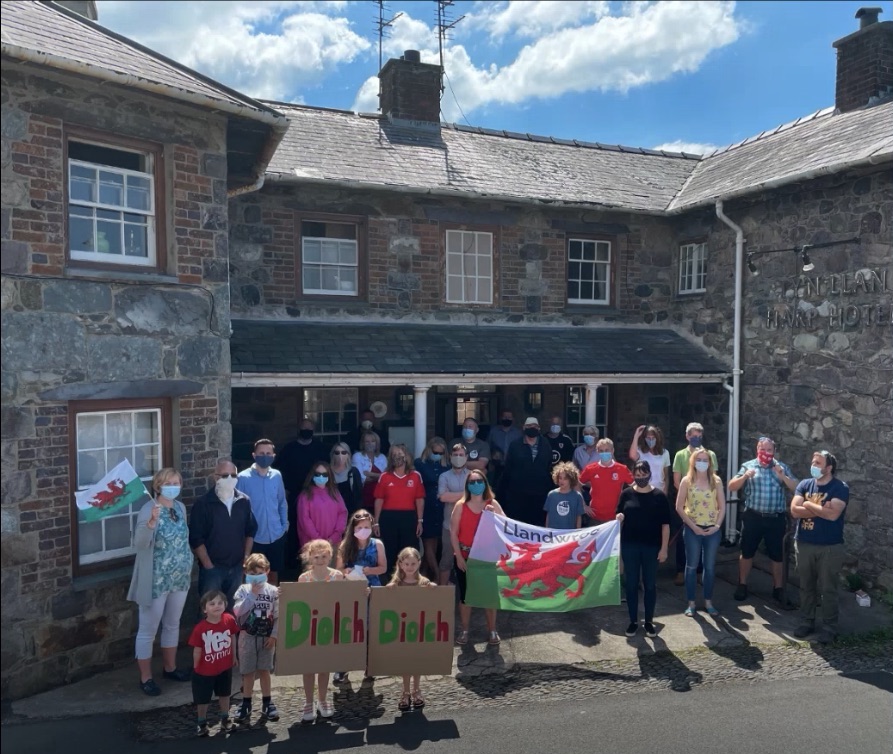
Example 1 – Menter Ty’n Llan (Wales).
When the village pub closed in 2017, residents feared losing their last community gathering place. With Network guidance, they formed a Community Benefit Society and launched a community shares scheme. By 2021, they had bought the pub and reopened it as both a pub and a community hub, hosting yoga, language classes, and social events.
- Challenge: Raising funds and choosing the right structure to save the building.
- Success: A once-closed pub is now a thriving centre of village life, owned and cherished by the community.
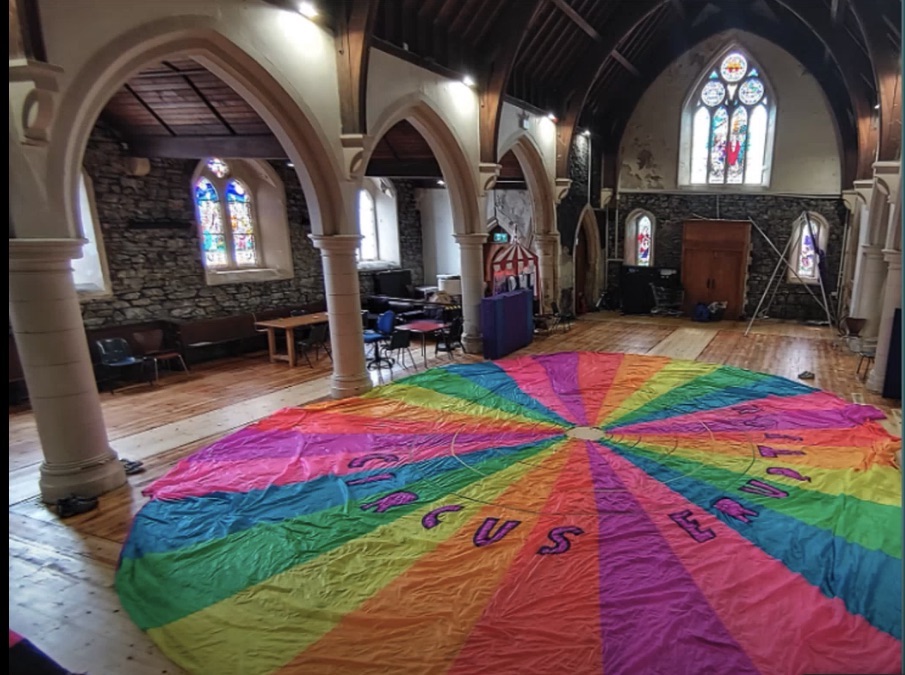
Example 2 – Circus Eruption (South Wales).
This youth circus took on the former St Luke’s Church, adapting the high ceilings and central hall into an ideal base for performances. The Network provided advice on building ownership and connected the group with others managing historic sites.
- Challenge: Balancing the upkeep of a historic building with its transformation into a modern circus space.
- Success: The church now echoes with laughter and energy, proving that heritage can be a stage for creativity and inclusion.
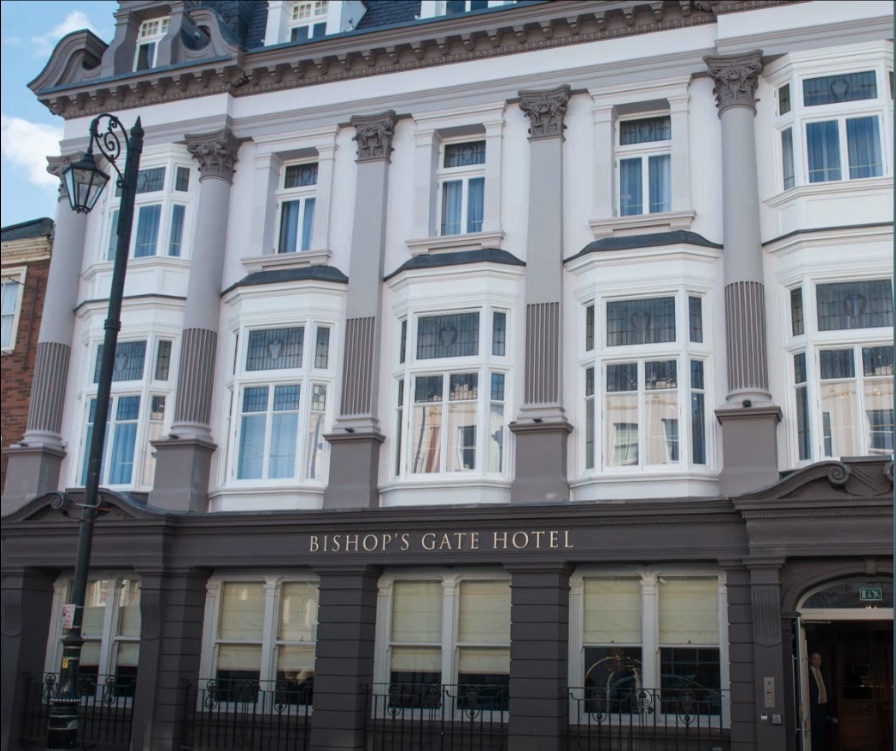
Example 3 – Inner City Trust (Northern Ireland).
Over decades, the Trust has tackled major projects like restoring the Bishop’s Gate Hotel and creating a replica 19th-century craft village where new businesses can grow rent-free. With the Network’s support in promoting their work, they have demonstrated how heritage can drive local economic renewal.
- Challenge: Sustaining multiple large-scale projects while ensuring long-term community benefit.
- Success: From hotels to craft villages, the Trust shows how heritage can spark business growth, job creation, and civic pride.
Challenges and Successes
Challenges
- Starting Out: Many community groups feel overwhelmed when beginning heritage projects, lacking governance knowledge, financial structures, and specialist expertise.
- Volunteer Capacity: Most projects rely on volunteers with limited time and heritage experience, leading to slower progress and risks of volunteer turnover.
- Engaging Young People: Heritage can seem distant or inaccessible to younger generations, while organisations often lack digital skills to keep pace.
- Regeneration Complexity: High street regeneration projects involve multiple stakeholders with competing priorities, and historic buildings are often at risk of dereliction.
- Isolation: Without a unifying network, groups may work in silos, missing out on shared learning and repeating avoidable mistakes.
Successes
- Capacity Building: The Network simplifies complex processes and provides step-by-step guidance, enabling groups to set up strong organisations and manage projects sustainably.
- Youth Empowerment: Programmes like Digital Heroes connect young people with organisations, improving digital engagement while opening career pathways in heritage.
- Visible Impact: In 2023 alone, members completed 240 restoration projects, removed 43 sites from at-risk registers, and collectively cared for over 2,000 heritage sites.
- Community Transformation: Projects such as Menter Ty’n Llan’s community pub, Circus Eruption’s adapted church, and Inner City Trust’s craft village showcase how heritage spaces can be revived as vibrant hubs for social, cultural, and economic activity.
- Partnerships and Knowledge Sharing: The Network creates a national ecosystem where funders, local authorities, and communities collaborate — amplifying local impact and ensuring heritage-led regeneration thrives across the UK.
Discussion
If there is one thread that runs through all of the Network’s work, it is partnership. The organisation thrives on linking people, knowledge, and opportunities. From national funders to local authorities, from students to seasoned trustees, the Network ensures no group is left to struggle alone.
This approach multiplies impact: more buildings saved, more communities empowered, more young people inspired. Without the Network, many groups would remain isolated and overwhelmed. With it, they gain confidence, allies, and a clear path forward.
However, without coordination, community heritage projects risk duplication, slow progress, or loss of momentum. The Network acts as the glue holding the grassroots heritage sector together, enabling knowledge exchange, unlocking funding, and amplifying the impact of local projects nationwide.
Further Resources
Websites:
Documents
Images
Image Credit: Beth Crockett, Marketing and Communications Officer, Heritage Network.