Case Study
China Media Group Meta Museum: Spreading China's Fine Traditional Culture with Cutting-edge Technology
Yang Xiong, Technical Product Manager, Digital Art Museum of China Media Group
Background
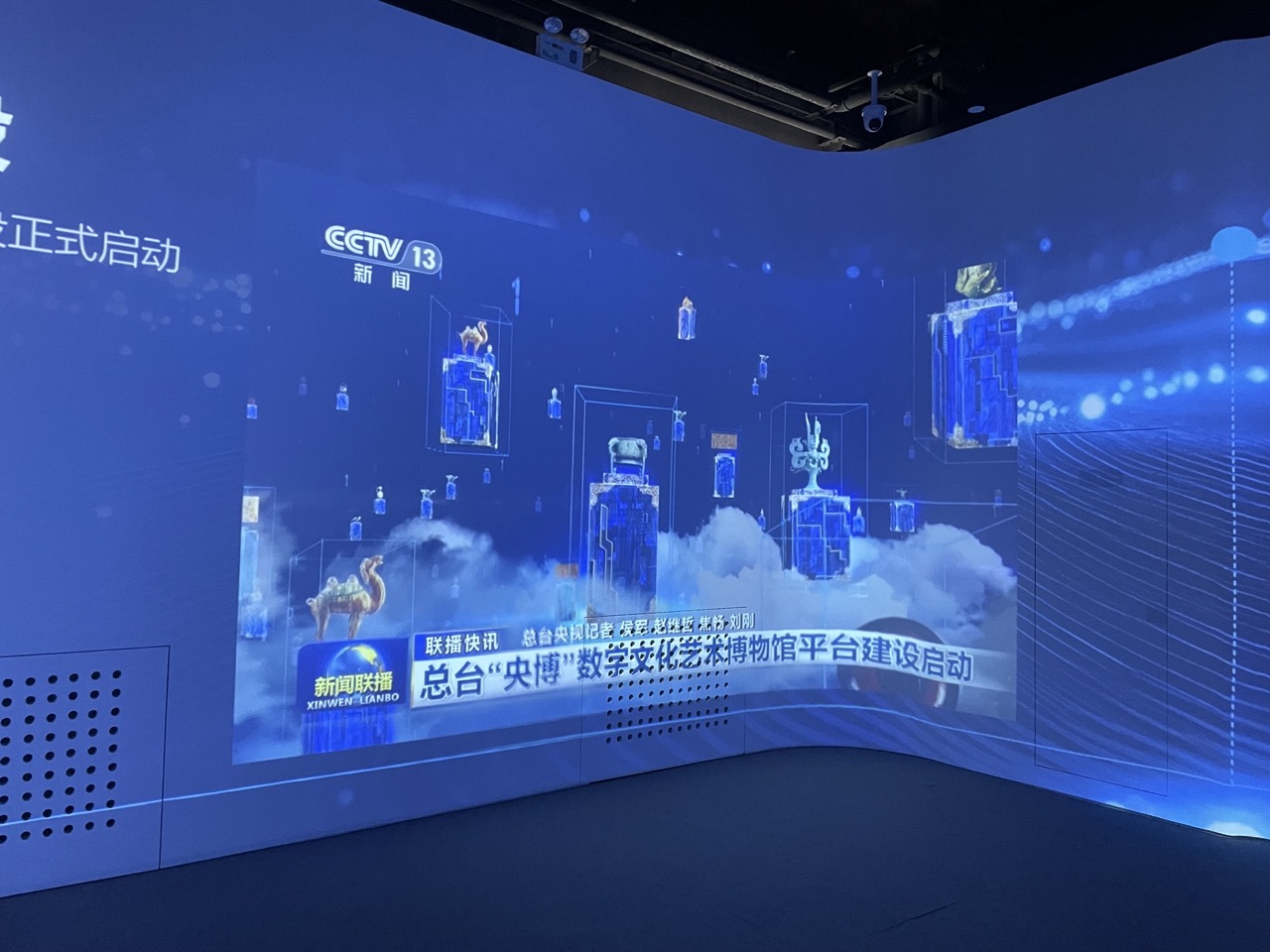
The China Media Group (CMG) Meta Museum is a national platform for digital culture and artistic expression, merging traditional Chinese heritage with cutting-edge technologies. Positioning itself as a service and exhibition platform, it operates across three core tracks: Intellectual Property and content creation, integrating culture with tourism, and AI-driven innovation. Through ambitious projects such as the Spring Festival Cloud Temple, immersive digital exhibitions tracing the origins of Chinese civilization, and Arctic exploration displays, the museum fosters accessible, interactive, and sustainable cultural services. It also supports museums and heritage bodies with technological capacity building, collaborative IP development, and cross-platform distribution.
Digital transformation has become central to China’s cultural policy, promoting the integration of arts, media, and heritage with digital ecosystems. Within this context, the CMG Meta Museum emerges as a strategic, national-level initiative aiming to modernize how Chinese culture is produced, consumed, and disseminated. It seeks to bridge traditional heritage and contemporary media, leveraging digital multimedia content, immersive environments, and AI systems. Unlike physical museums bounded by walls and geography, CMG Meta Museum operates as a platform and network, aggregating national cultural resources into virtual, interactive spaces. It presents itself not just as a museum, but as a digital cultural service infrastructure.
Approaches
The strategy of CMG Meta Museum revolves around three synergistic tracks:
- IP / Content Creation
The museum develops and curates intellectual properties rooted in cultural heritage – turning them into digital content, immersive experiences, and creative products. - Cultural Tourism
It partners with scenic areas, heritage sites, and tourism bodies to integrate cultural storytelling into offline visitor experiences, linking virtual and physical worlds. - AI / Technological Innovation
AI, AR/VR, cloud rendering, and interactive systems are core tools. The museum employs these to create adaptive, personalised, and smarter audience experiences.
Within this framework, the institution pursues deep integration of heritage and digital media, aiming for scale, accessibility, interactivity, and sustainability. It works both upstream (content creation, platform development) and downstream (distribution, collaboration, commercial models).
Resources
Rethinking Heritage Futures, Online Workshop “Developing Heritage Brands and Merchandising Opportunities”, 29 May 2025, Nottingham Trent University (NTU), Communication University of China (CUC).
Projects
1. Spring Festival Cloud Temple (云庙会) / Metaverse Temple Fair
- 2023: A fully online 3D immersive space built as part of the Spring Festival gala. Using cloud rendering, users navigated a virtual temple fair with interactive content and character spaces.
- 2024: Transitioned to a hybrid model, combining offline events at scenic spots with VR/online experiences. Visitors could claim tickets online and then visit physical cultural sites, blending digital and offline engagement.
This project typifies the IP-first track; a culturally rooted event adapted to digital media, while also bridging to real-world cultural tourism.
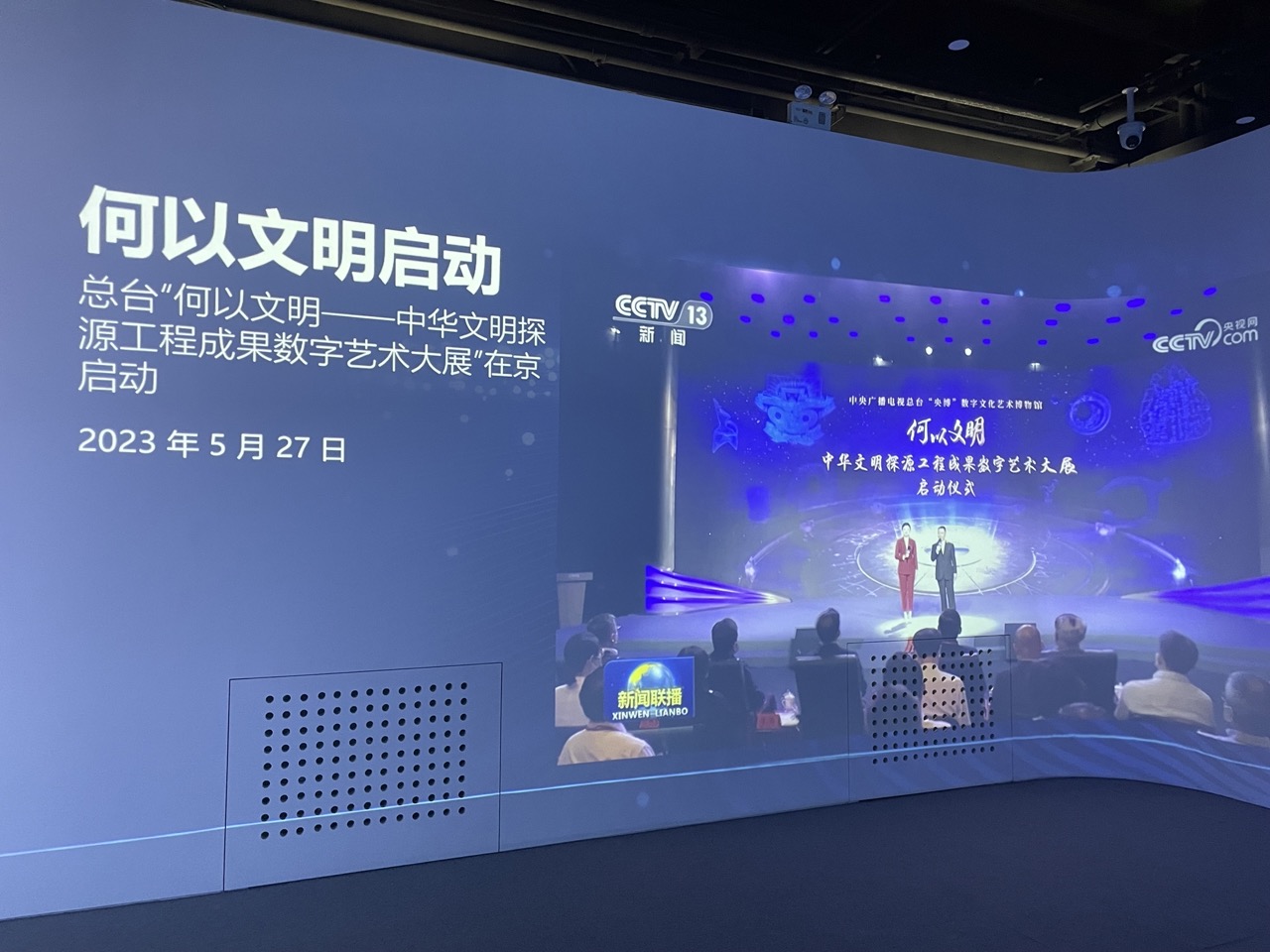
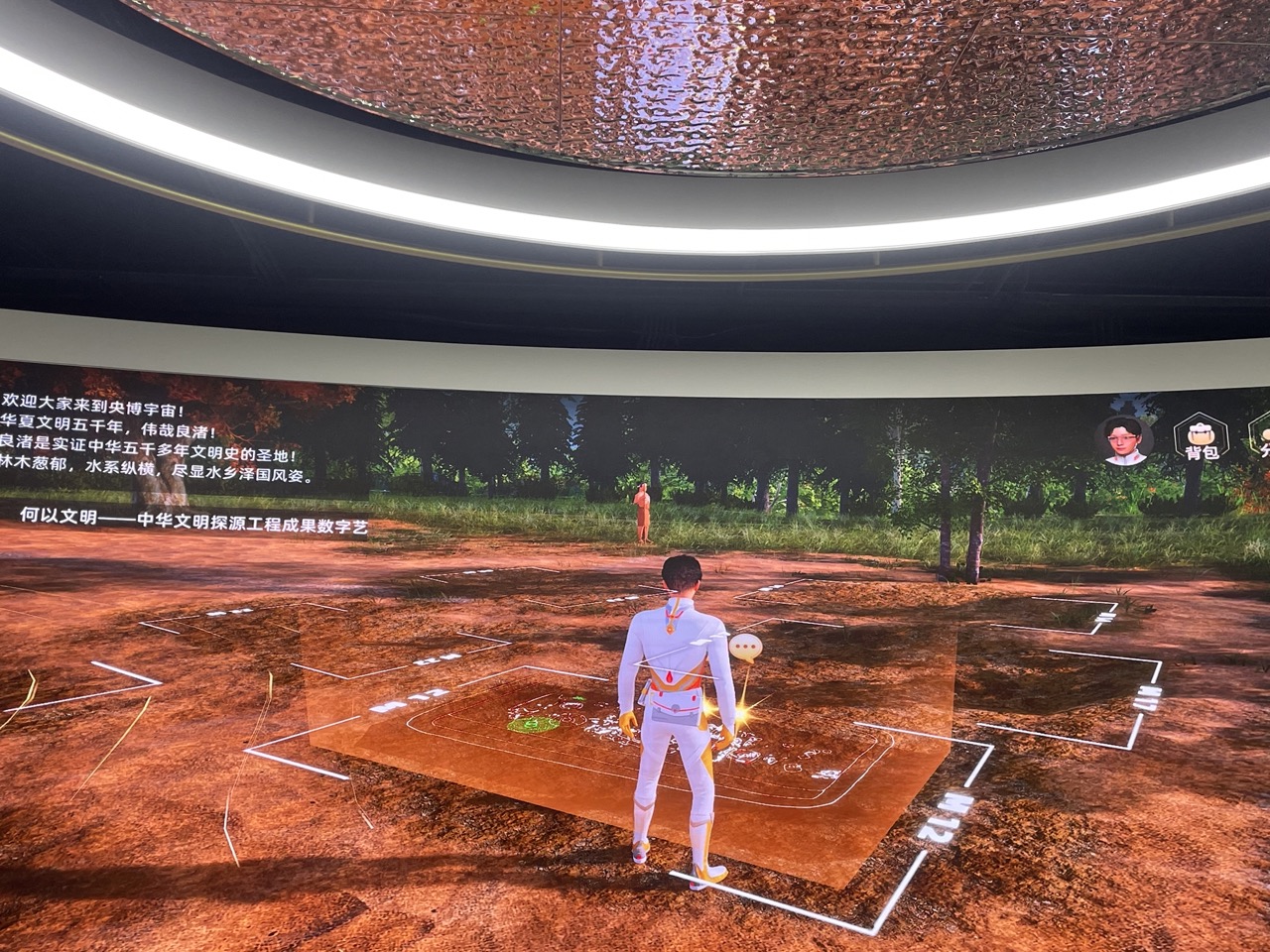
2. “Tracing the Origins of Chinese Civilization” Digital Art Exhibition
This ambitious online exhibition covers ten major archaeological sites across China (e.g. Liangzhu, Sanxingdui) and recreates roughly 4 million square kilometers of reconstructed historic space in digital form. Visitors can explore ruins, interact with virtual ancients, and experience inventions of past dynasties. The exhibit has been promoted globally across 15+ countries and regions, including New York, Tokyo, and Hong Kong. CMG’s approach included collaboration with the China Science Museum to host VR-supported versions in physical museum spaces, combining digital immersion with onsite exhibition experiences.
3. Arctic Exploration & 3D Immersive Exhibitions
Drawing on new resources from Arctic exploration projects, the CMG Meta Museum created a 3D immersive ‘mass exploring’ exhibition covering over 30 Chinese cities and technology museums.This exhibits environmental and scientific discovery as cultural IP, targeting youth audiences with XR content and interactive engagement. The goal is to reach over 5 million visitors through these new exhibitions
4. AI Digital Art Platform & AIGC Integration
On March 20, 2025, at the China Internet Audiovisual Conference, the museum launched the first national AI digital art assets platform as a conduit for generating and distributing AI-based artworks.
- The platform held a 24-hour AI creation competition, receiving 154 submissions from 43 teams (from regions across Mainland China, Hong Kong, and Macau, and institutions such as CUC, Tsinghua, and abroad).
- It supports blockchain-based copyright validation, IP incubation, derivative product sales, and copyright sharing mechanisms.
These systems typify the “AI” track, aligning technology infrastructure with cultural production.
5. Culture–Tourism Integration & Creative Platforms
CMG Meta Museum has pursued museum + park + exhibition models. It partners with cities to build meta-museums; hybrid cultural-tourism spaces co-located with heritage, recreation, and digital art. One example is cooperation with Jin De to establish temporary exhibition spaces showcasing young artists’ digital works. The model aims to generate revenue through ticketing, cultural products, and creative industry incubation. Combined with an online + offline sales ecosystem, CMG distributes artifacts (souvenirs, digital NFTs, creative products) through airport outlets, livestreaming, and social media channels. The museum claims massive reach: over 20 billion audience impressions across multiple platforms.
Challenges and Successes
Challenges
- Verifying and sustaining extremely large audience metrics (e.g. 20 billion impressions) may be difficult.
- Maintaining historical authenticity while digitally interpreting heritage.
- High technical and operating costs inherent in immersive, cloud-rendered, AI-driven content.
- Inclusion of smaller heritage sites with less capacity—ensuring equitable access to this digital infrastructure.
- Avoiding overemphasis on spectacle at the expense of depth of cultural meaning.
Successes
- Established national-level digital culture/arts platform aligned with state cultural strategy.
- Effective global reach: digital exhibitions accessible in 15+ countries. CGTN News
- Strong integration of technology, heritage, and audience engagement (AI platform, metaverse experiences, XR exhibits).
- Creation of support mechanisms for museums and heritage bodies in IP development and digital capacity.
- Fostering culture–tourism synergy through meta-museum and hybrid exhibition models.
Discussion
CMG Meta Museum illustrates a sophisticated model for digital cultural infrastructure, i.e. not just a museum with digital exhibits, but a platform ecosystem combining heritage, technology, tourism, and IP commerce.
Its strength lies in:
- Scalable digital IP models that can be remixed, reused, and commercialized.
- Hybridization of physical and virtual experiences, giving audiences multiple access paths.
- Technological backbone (AI, XR, blockchain) that supports personalization, protection of rights, and adaptive engagement.
- Institutional support and platform capacity to scale collaborations across museums, heritage bodies, and creative industries.
Going forward, key areas to explore include:
- Ensuring authenticity and historical integrity amid heavy digital mediation.
- Balancing commercial imperatives (product sales, monetization) with cultural and social missions.
- Deepening user-generated content and participatory co-creation models.
- Expanding infrastructure for smaller museums to plug into this ecosystem—ensuring the benefits are not centralized.
Monitoring long-term engagement to avoid novelty fatigue in digital experiences
Further Resources
Websites:
Images
Image Credit: S.Cosentino, Research Project Assistant.