Case Study
The National Museum of China: Building a "Smart Museum" through Digital Transformation
Background
The National Museum of China (NMC) stands as the pinnacle of Chinese culture. Its history traces back to the National Historical Museum established in 1912. Reconstituted in 2003 through the merger of the former Chinese History Museum and the Chinese Revolution Museum, the NMC bears the triple mission of representing the nation in collection, research, display, and interpretation of China’s outstanding traditional culture, revolutionary culture, and socialist advanced culture. It is widely revered as the Ancestral Temple and Sanctuary of Chinese Civilization.
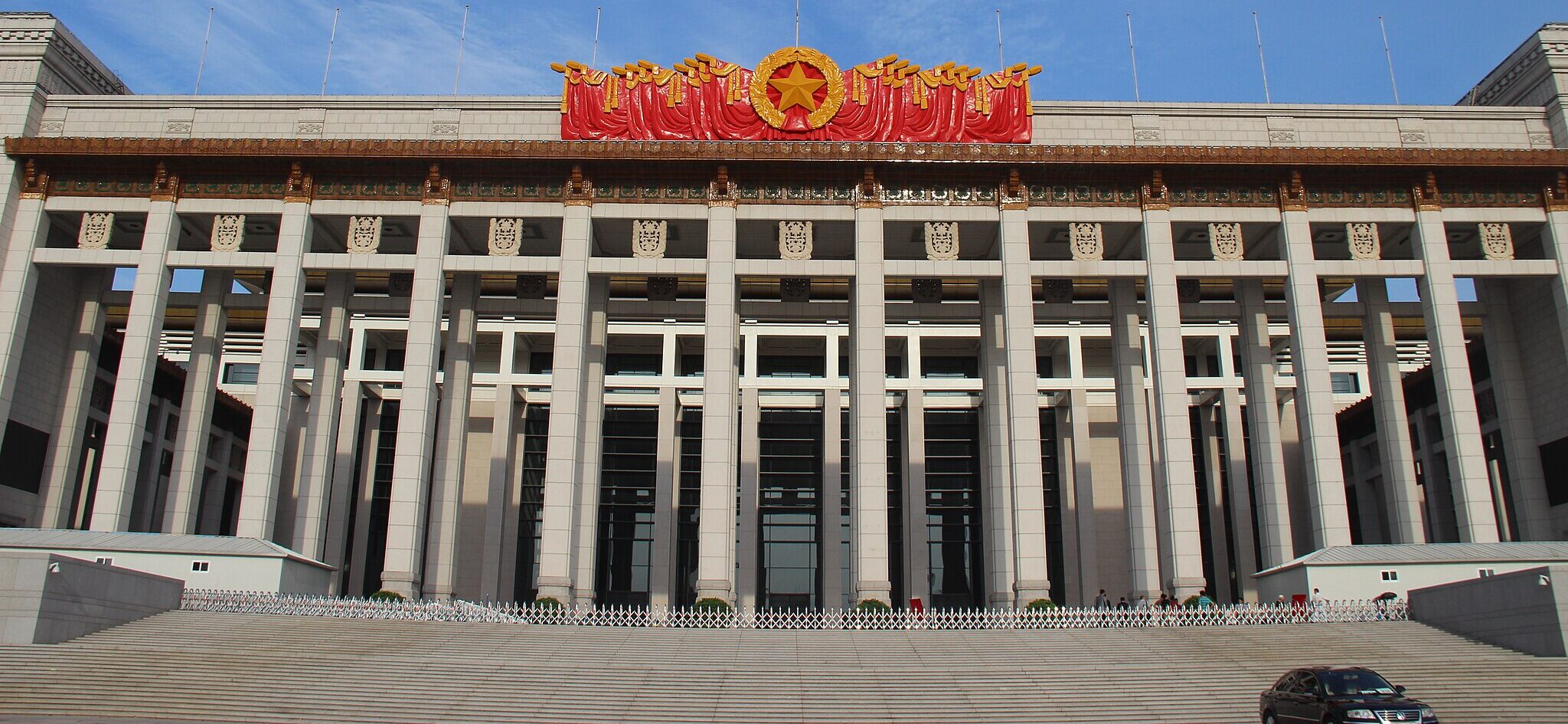
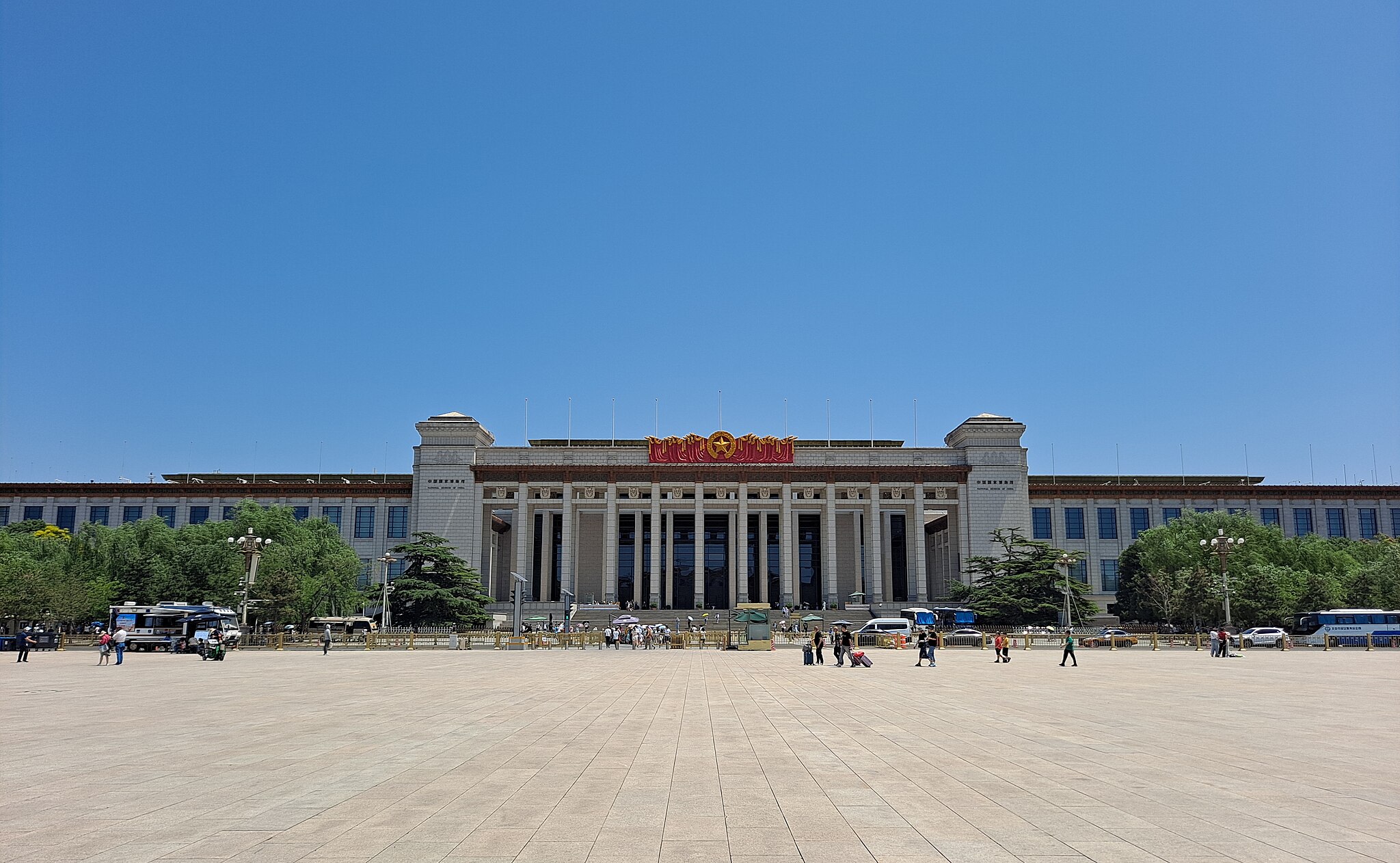
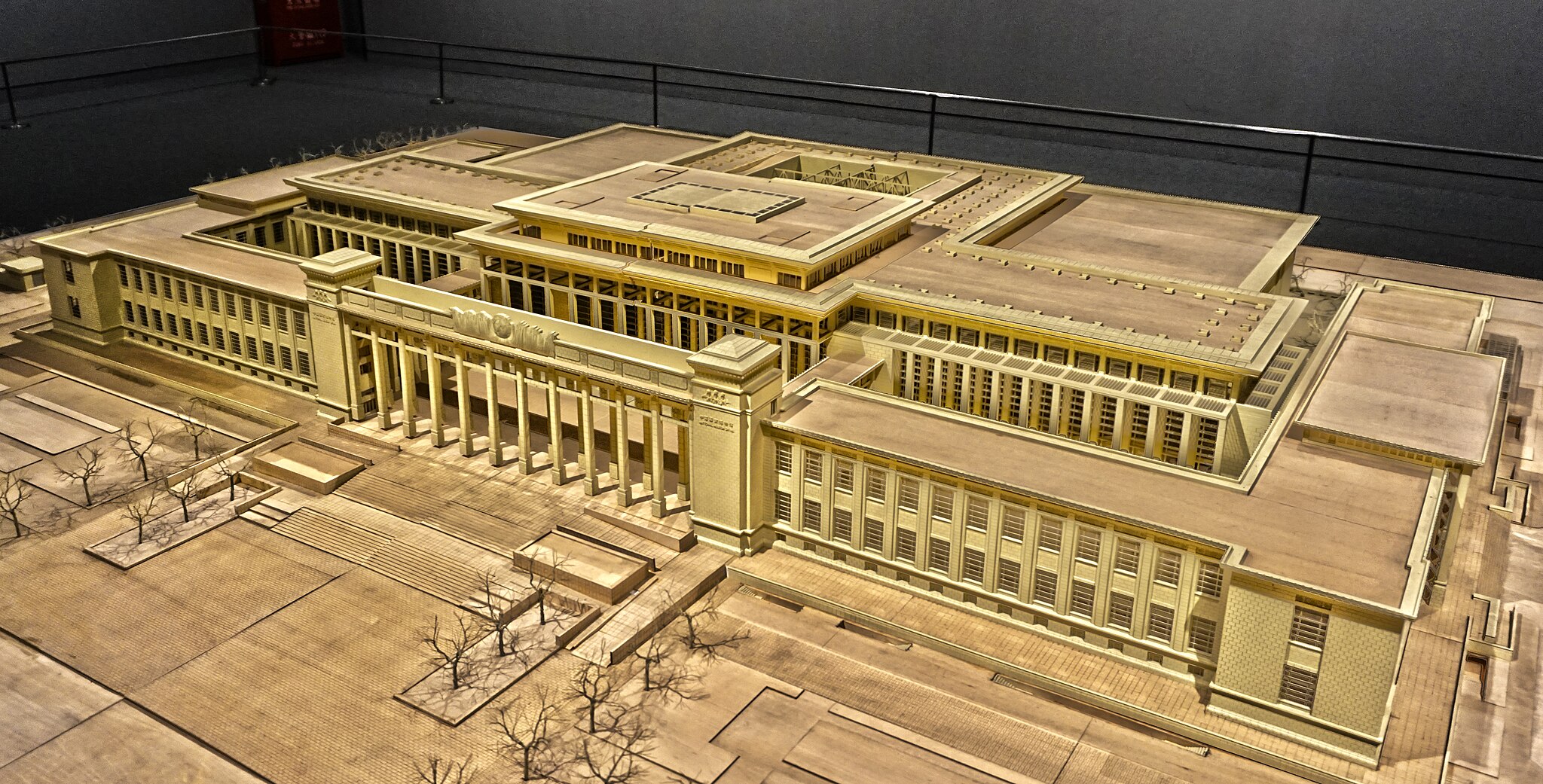
Located on the east side of Tiananmen Square, the NMC boasts a total construction area of nearly 200,000 square meters, making it one of the largest museums by area globally. Its collection exceeds 1.4million objects/sets, spanning from prehistory to modern times, with notable holdings in ancient bronzes, ceramics, jades, Buddhist statues, and modern revolutionary artifacts. This unique status mandates its crucial mission to systematically disseminate China’s rich traditional culture to the world.
In the context of the 21-century information revolution and the digital economy, and in response to the growing global public demand for new modes of knowledge acquisition and immersive experiences, the NMC recognized the imperative for strategic modernization. The core strategy is to construct a world-class Smart Museum. This involves utilizing the latest digital, networked, and multimedia technologies for in-depth 3D acquisition and value interpretation of the collection, with the goal of comprehensively enhancing the exhibition’s vitality, interactivity, and educational value. This approach effectively transcends physical space limitations, fostering a new cultural ecosystem that integrates online and offline experiences.
Approaches
In its modernisation drive, the NMC faces the complex dilemma of balancing the solemn authority of a national cultural institution with the necessity of lively exhibitions and digitised services. Given its national mandate and vast collection, the museum must meticulously address the following challenges:
- The Challenge of Content Revitalisation: How to break the solemnity of traditional static exhibitions amidst a massive and profound artefact collection? The key is to employ digital narration and experiential design to make the historical narratives and artefact details that lie dormant in storage accessible and tangible.
- The Shift to Deep Audience Engagement: How to transition from a traditional viewing model to a truly participatory experience? This involves stimulating the public, especially younger generations, to proactively engage with history, thereby enhancing their sense of cultural belonging and making the NMC a leading hub for innovative education.
- Balancing Technology and Institutional Positioning: How to effectively utilise the latest digital and multimedia technologies to boost interactivity while simultaneously avoiding excessive commercialisation or vulgarisation? The technological means must consistently serve the core values of academic research and cultural dissemination, aligning perfectly with the NMC’s authoritative national stature.
To address the challenges of content revitalisation, deep engagement, and technology-positioning balance, the NMC has set the core goal of building a forward-looking Smart Museum. This is achieved by leveraging digital and multimedia technologies to comprehensively enhance the vibrancy, interactivity, and educational impact of its exhibitions. The principal approaches are:
- Core Strategy: Establishing a high-precision digital resource repository and conducting in-depth value excavation and interpretation of the collection, using digital and multimedia technologies as the main driving force for content innovation.
- Core Vision: Transforming the NMC into a modernised cultural centre that integrates historical heritage, cultural education, and innovative experiences, serving as a vital window for global cultural exchange and civilizational dialogue.
- Dissemination Goal: Utilising integrated online and offline services to ensure the Chinese excellent traditional culture is disseminated with greater vitality and penetrative power, ultimately strengthening the nation’s cultural soft power.
The NMC’s digital transformation is practically realized across four main dimensions: immersive experiences, interactive learning, digital resource sharing, and market conversion of brand value.
Resources
Rethinking Heritage Futures, Online Workshop “Utilising New Technologies in the Management of Cultural Heritage, 30 April 2025, Nottingham Trent University (NTU), Communication University of China (CUC).
Projects
1. Immersive Digital Experiences: Recreating Historical Scenes
The NMC’s immersive digital experience is a synergy of cutting-edge technologies aimed at recreating historical scenes through innovative formats to enhance artistic appeal. The museum utilises VR/AR technologies, holographic projection, and ultra-high-definition digital imaging for the digital reconstruction of significant historical contexts and artifacts. A prominent example is the Digital NMC project, which applied 8K ultra-high-definition digital capture, colossal screen projection, and multimedia scroll formats to masterpieces like the Along the River During the Qingming Festival and A Thousand Li of Rivers and Mountains. This allows audiences to have a unique time-travel experience. For instance, in the digital exhibition of A Thousand Li of Rivers and Mountains, the combination of a 360 degrees panoramic screen and 4D effects allows visitors to feel physically present in the grandeur of Song Dynasty landscapes, significantly enhancing the exhibition’s presence and artistic influence.
2. Interactive Multimedia Exhibits: Stimulating Proactive Learning
Interactive multimedia exhibits serve as crucial tools for the NMC to transition from one-way communication to two-way interaction. The museum has introduced many touch screens, somatosensory games, digital sandboxes, and interactive tables in its permanent and temporary exhibitions, transforming the knowledge acquisition process into an engaging and game-like experience. For example, in the Ancient China exhibition, a Digital Rubbing experience zone allows visitors to simulate the traditional rubbing process on a touch screen, creating their own artifact rubbings and engaging with intangible cultural heritage techniques. The museum also offers simulated artifact restoration tables and specially designed historical quiz competitions for youth, guiding audiences to proactively explore specialized knowledge such as bronze inscriptions and ceramic firing processes, providing instant feedback.
3. Digital Resource Sharing: Extending Museum Services
The NMC has successfully broken the boundaries of its physical space through digital resource sharing, extending its services into the cyberspace. The museum invested heavily in constructing a high-quality digital resource repository, launching online platforms such as the Online Exhibition Hall and NMC Encyclopedia, which provide high-definition artifact databases, 3D model data, and virtual exhibition services. These platforms offer scholars and the public worldwide access to vast amounts of high-resolution images, 3D models, and academic research materials. Concurrently, the NMC leverages its new media matrix—including WeChat, Weibo, Douyin, and Mini Programs—to disseminate in-depth artifact interpretations, expert guided tours, and behind-the-scenes stories, integrating museum services into the audience’s daily life, such as the NMC Good Lessons micro-video series.
4. Cultural and Creative Products and New Business Integration: Market Conversion of Brand Value
The NMC, leveraging its extensive digital resources and formidable national brand influence, actively promotes the development of cultural and creative products (CCPs) and the integration of new business models, effectively converting its brand value into market presence. The NMC utilizes high-resolution imagery and 3D scanning data—its primary digital assets—as the foundation for creative development. It strategically authorizes IP collaborations to launch a series of innovative and culturally rich CCPs. This product line includes blind boxes themed around the Ancient China exhibition series, high-fidelity artifact replicas, and co-branded merchandise in partnership with fashion and technology entities, aimed at precisely engaging younger consumer demographics. Furthermore, the NMC has established dedicated cultural and creative experience zones within the museum, exploring complex business formats that integrate dining, retail, and exhibition functions.
Challenges and Successes
Challenges
- Highly immersive experiences place stringent demands on hardware stability, content fidelity, and real-time rendering capacity, leading to high maintenance and update costs. Furthermore, the NMC must strictly integrate rigorous academic verification into the light and shadow narratives to ensure appropriate revitaliSation, preventing the exhibition from degenerating into mere entertainment.
- The design of interactions is difficult in balancing academic rigor with operational fun, ensuring ease of use for audiences of all ages, particularly the elderly. Managing the collection and analysis of large volumes of interactive data in the back end, alongside safeguarding audience privacy, is also a critical operational challenge.
- Copyright protection and quality control of online content remain ongoing challenges. The NMC must invest significant resources to establish a comprehensive digital content management and protection system, while also ensuring that the authority, academic rigor, and quality of online content align with the offline exhibitions to maintain the NMC brand reputation. Furthermore, continuously optimising data retrieval efficiency to transform massive datasets into effective knowledge services is necessary.
- The development of CCPs must strictly adhere to regulations governing cultural heritage protection, ensuring that the products’ cultural taste aligns with the NMC’s national positioning and avoids excessive commercialisation. Furthermore, maintaining continuous innovation in the highly competitive cultural market and ensuring the standardised management of IP authorisation remain critical operational challenges.
Successes
- The projects have immensely boosted the sensory and artistic appeal of the exhibitions, offering audiences a unique historical experience that has been widely acclaimed by the public, effectively raising the NMC’s profile as a cultural hub.
- The NMC has significantly increased audience engagement and educational effectiveness, especially among students. It has successfully transformed itself from a one-way knowledge display centre into a two-way, open, and interactive learning centre, substantially elevating the educational value of the visit and achieving precise dissemination of educational content.
- The NMC successfully extended its service reach from the physical space into the cyber realm, overcoming geographical limitations. This has substantially increased the coverage and global influence of Chinese culture dissemination, establishing the museum as a critical window for scholars and the public to access authoritative cultural information.
- The successful launch of these CCPs has significantly enhanced the museum’s market vitality and public appeal while simultaneously generating substantial non-ticket revenue. Critically, this revenue is channelled back into artefact conservation and digital infrastructure development, establishing a positive, self-sustaining cycle: Digital Revitalisation, IP Authorisation, Market Conversion, Conservation Reinvestment, thus strengthening the NMC’s long-term sustainable operational capacity.
Discussion
The National Museum of China (NMC) has taken a monumental stride in integrating cutting-edge digital technology into its exhibition design and audience services, effectively addressing the dual challenges of artifact revitalisation and deep audience engagement. This digital transformation is fundamentally more than a mere technological upgrade; it represents an innovative expression of the museum’s core values within a modern context. Through these highly successful and impactful practices, the NMC is steadily advancing towards its positioning as a dynamic, interactive Smart Museum poised for the future.
Further Resources
Websites:
National Museum of China, Bejing – https://en.chnmuseum.cn/
Images
Image Credit: Wikimedia Commons.