Case Study
Kynren - A Tale of England
Matthew Henderson, Head of Development Projects, and Michael Slavin, Chief Operating Officer,
Kynren - An Epic Tale of England
Background
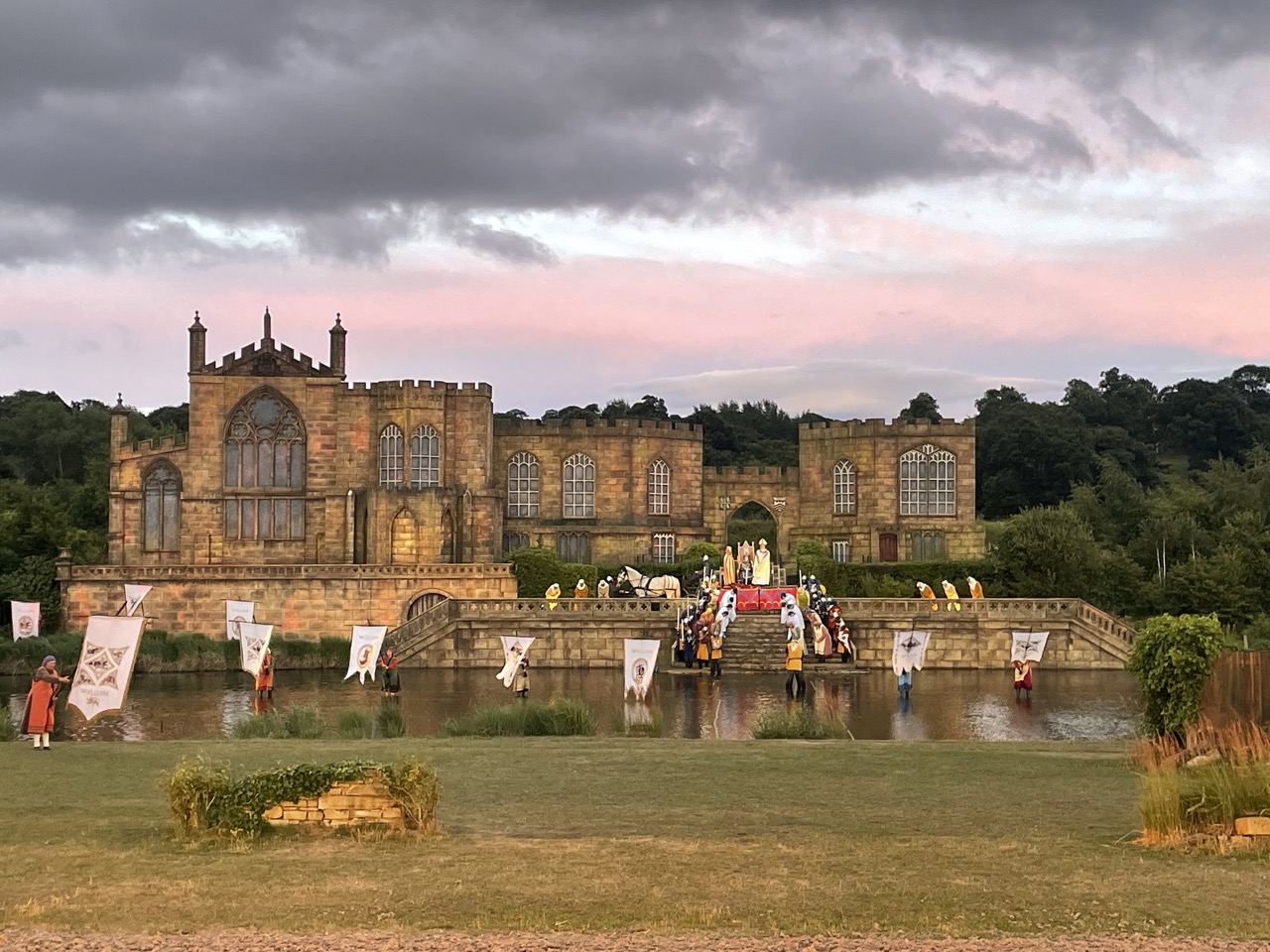
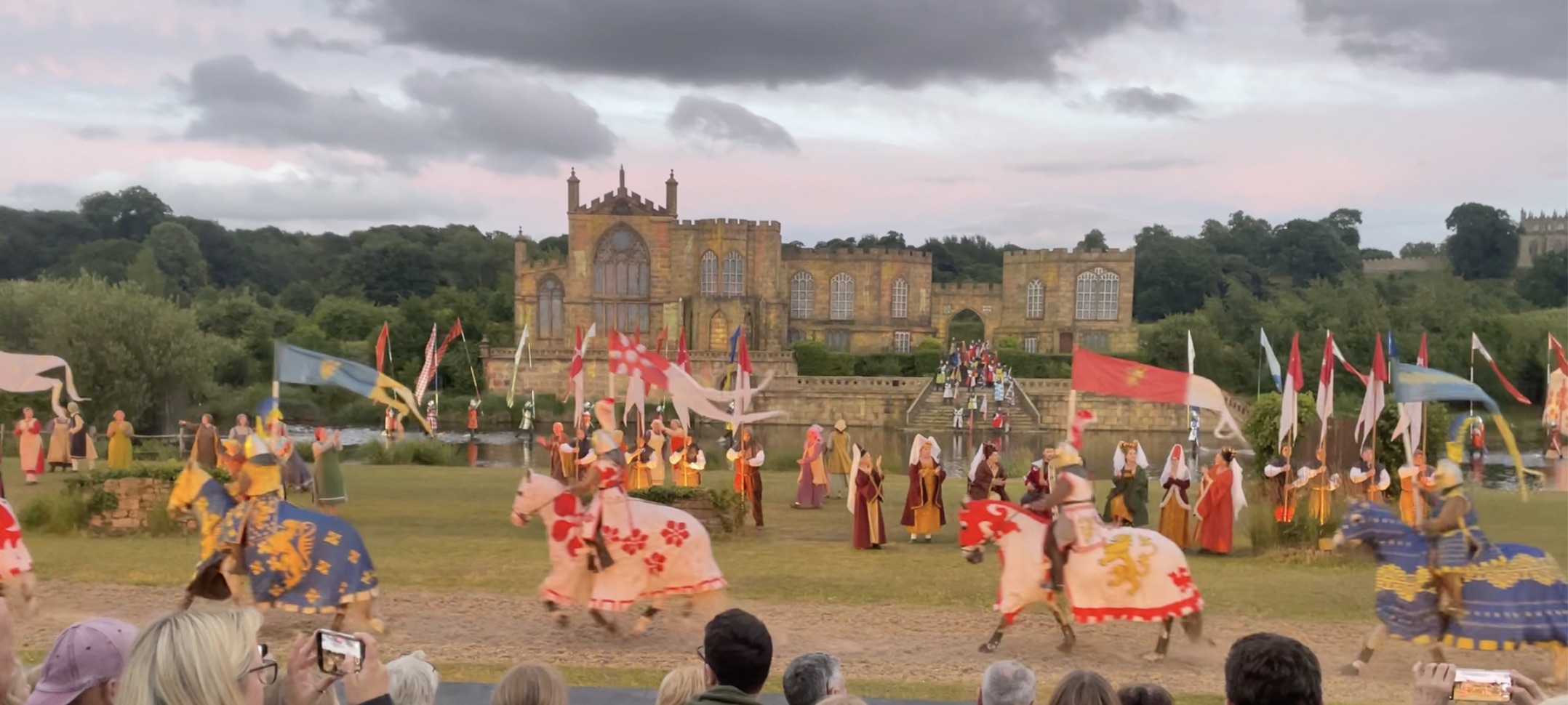
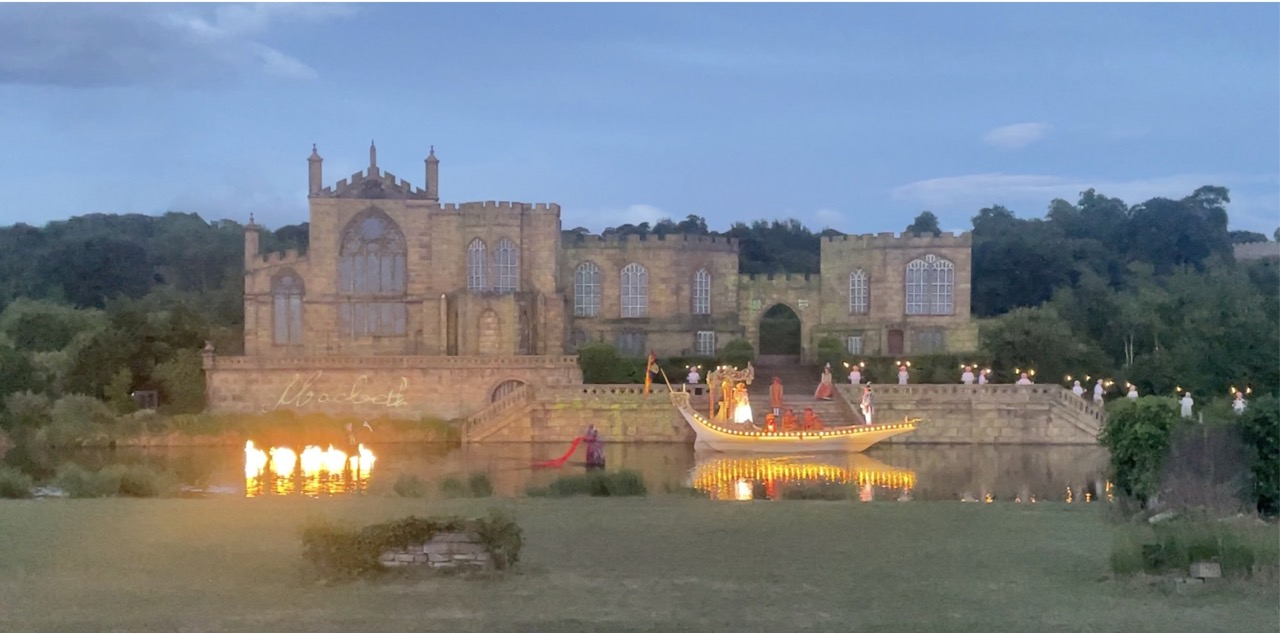
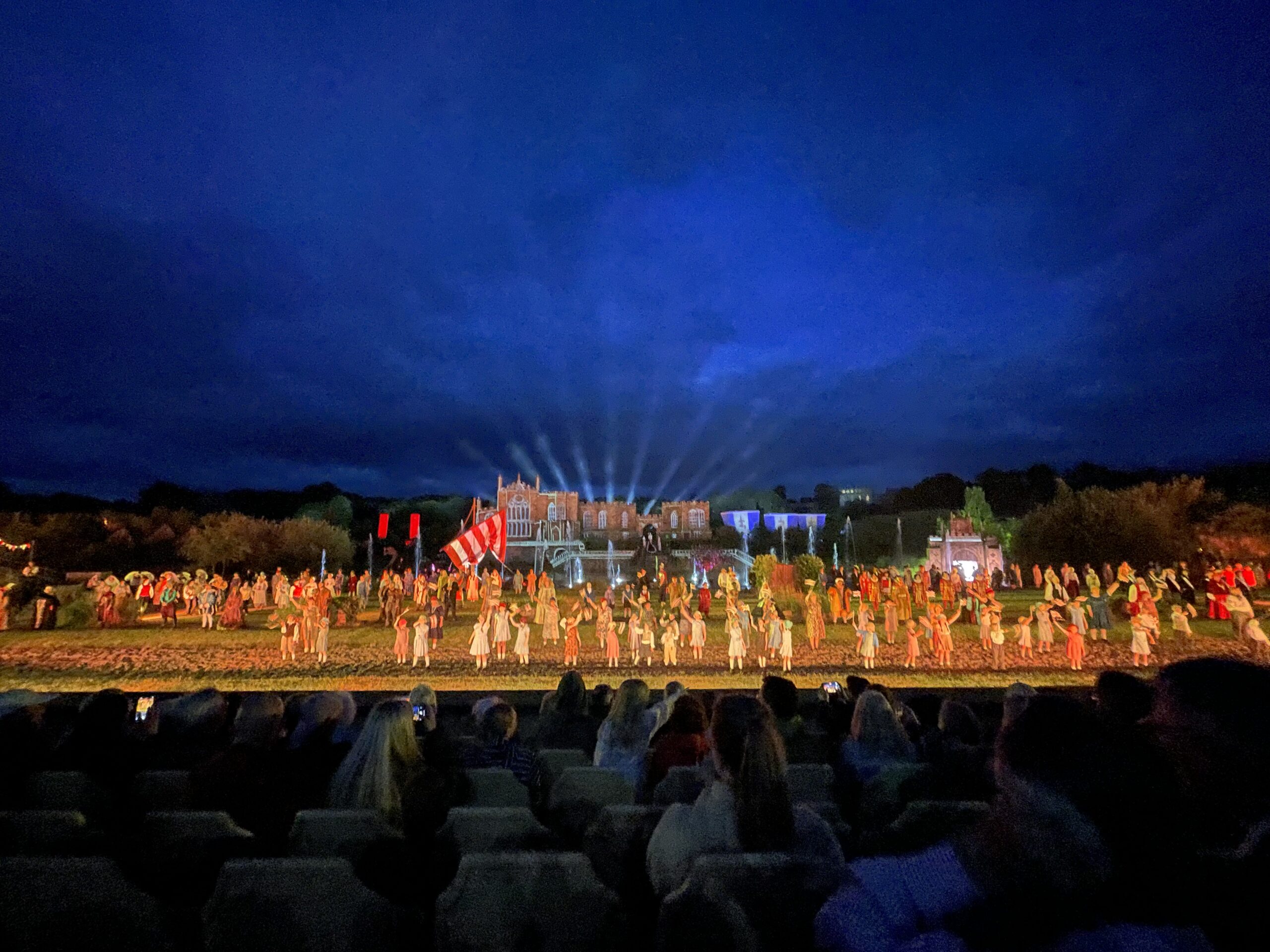
In the heart of northeast England, the spectacular live production Kynren – A Tale of England has transformed not only how history is told but also how heritage can drive community engagement and regional regeneration. The 90-minute show, performed on a seven-and-a-half-acre stage before an audience of 8,000, re-creates 2,000 years of British history in a vivid, theatrical retelling. What sets Kynren apart is not only its scale but its delivery: while a small team of 20 staff oversee operations, more than 1,000 volunteers—known as “Archers” after the founding charity, 11Arches—bring the performance to life.
Over ten years, Kynren has become far more than an event. It is a cultural movement that has engaged hundreds of thousands of visitors, brought millions into the local economy, and created a community of volunteers whose lives have been profoundly shaped by the experience.
The northeast of England, like many post-industrial regions, has faced economic challenges, declining opportunities, and underused land. The site that now hosts Kynren was once a disused golf course, blighted by fly-tipping and neglect. Meanwhile, cultural opportunities for local communities, particularly young people, were limited.
The challenge was not only to create an attraction that would celebrate local and national history but also to foster pride, provide meaningful opportunities for local people, and drive economic regeneration in an area long in need of investment.
Resources
Rethinking Heritage Futures, Online Workshop “Designing Heritage Events”, 18 March 2025, Nottingham Trent University (NTU), Communication University of China (CUC).
Approches - Projects
1. Building a Volunteer-Led Performance
From the outset, the greatest ambition—and challenge—was to deliver a world-class performance using volunteers rather than professional actors or technicians.
At the heart of Kynren’s model is the mobilisation of over 1,000 volunteers. Split into five main teams—cast, equestrian, technical, operations, and visitor experience—they perform roles ranging from Roman soldiers and Viking invaders to horse handlers and lighting technicians. Many arrive with no prior experience, but through training and teamwork, they become central to delivering the performance.
Yet what could have been a weakness became the show’s greatest strength. Through rehearsals, mentoring, and skill development, volunteers not only learned to deliver complex performances, complete with special effects, and historical re-enactments, but also built confidence and a deep sense of belonging. The aim was not only to produce an unforgettable show but to create a space where people from all walks of life—students, retirees, professionals, and those seeking new direction—could find purpose, community, and pride.
Audience reactions, with regular standing ovations from 8,000-strong crowds, reinforced the pride of the volunteers. Today, 95% of volunteers return each year, a testament to how the project has created not just a performance, but a lasting community.
2. Driving Economic Regeneration
From the beginning, Kynren was designed to act as a catalyst for the local economy. Delivering only ten performances a year presented a challenge: could such a limited season generate significant economic impact? The answer, proved over a decade, was yes. Local businesses quickly felt the benefits, from cafés and petrol stations to hotels and signage companies. To date, with nearly 100 performances over a decade, Kynren has generated £65 million for the regional economy, including £10.5 million in direct visitor spending, and created 146 jobs, alongside indirect benefits through supply chains and tourism.
The scale of investment has been unprecedented in the area, and it has given new confidence to a region often left behind. What began as a seasonal event has evolved into a driver of regeneration, laying the foundation for future expansion into The Storylands, a year-round heritage park expected to bring in £195 million.
3. Education and Skills Development
A core strand of the charity’s mission is education. Volunteers are trained in performance, technical, and operational skills, equipping them with transferable experience. The challenge lay in equipping people with skills they often never imagined they would need—from lighting design to stage combat—while ensuring safety and quality.
The result has been transformative. Volunteers collectively give the equivalent of 84 years of time annually, and their training has translated into confidence and employability. Young people in particular have benefitted, with 16–24 year olds gaining both volunteering experience and paid roles in catering and operations. Success stories abound, such as Jayden, who began as a child performer and progressed to a supervisory role before becoming an event coordinator. For many, the programme has been life-changing: 90% of volunteers report improved mental health, 94% increased happiness, and 81% reduced loneliness.
4. Conservation and Site Transformation
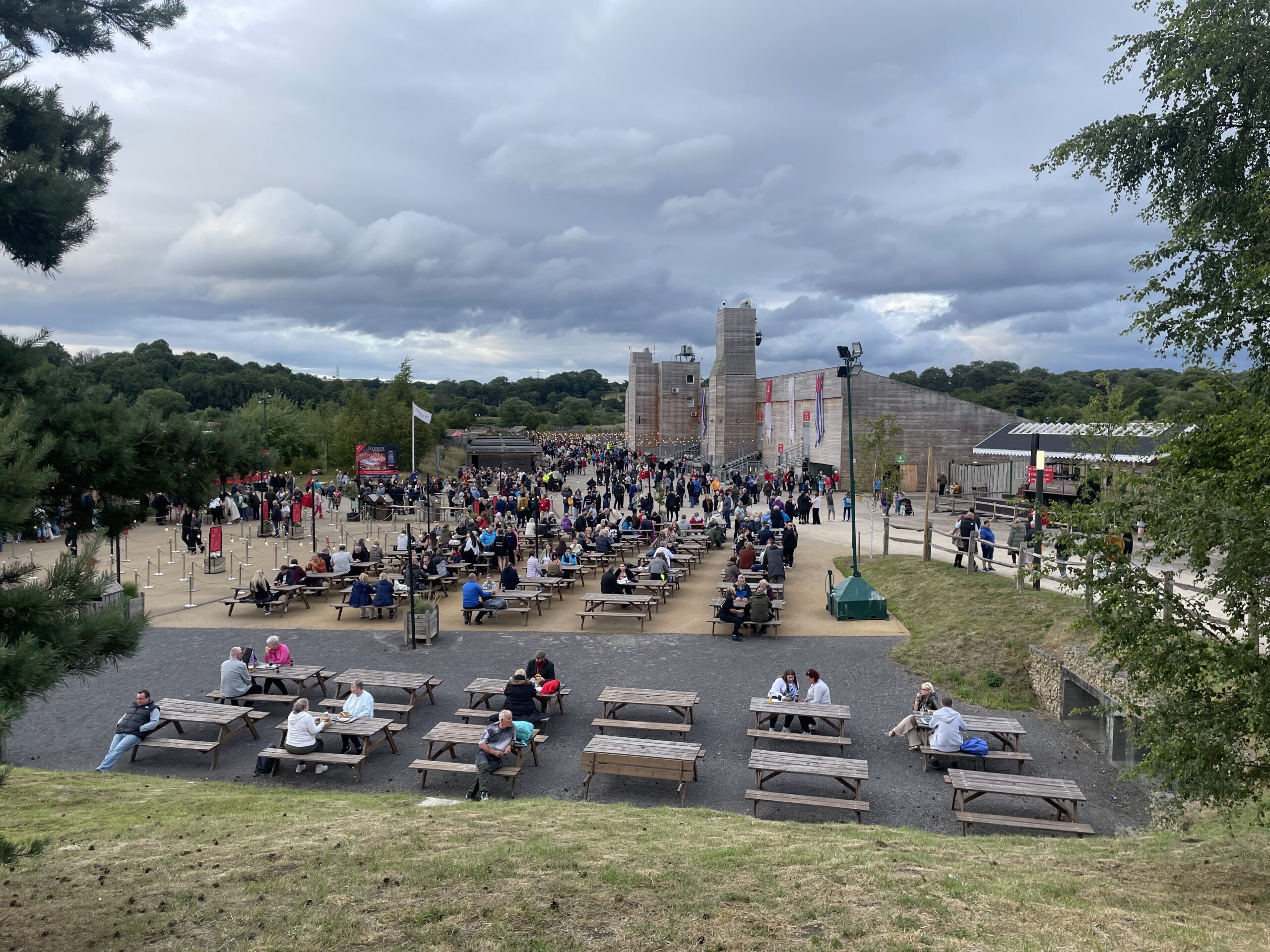
The once-abandoned site has been reshaped into a vibrant cultural and natural space. The physical site presented its own challenge, transforming it into both a performance space and a nature reserve required sensitive planning and long-term vision. Alongside the theatre arena , over ten years, the land has been revitalised into a thriving 150-acre nature reserve. Native species have returned, biodiversity has flourished, and heritage animals used in performances—such as horses and birds—have become both part of the spectacle and ambassadors for conservation.
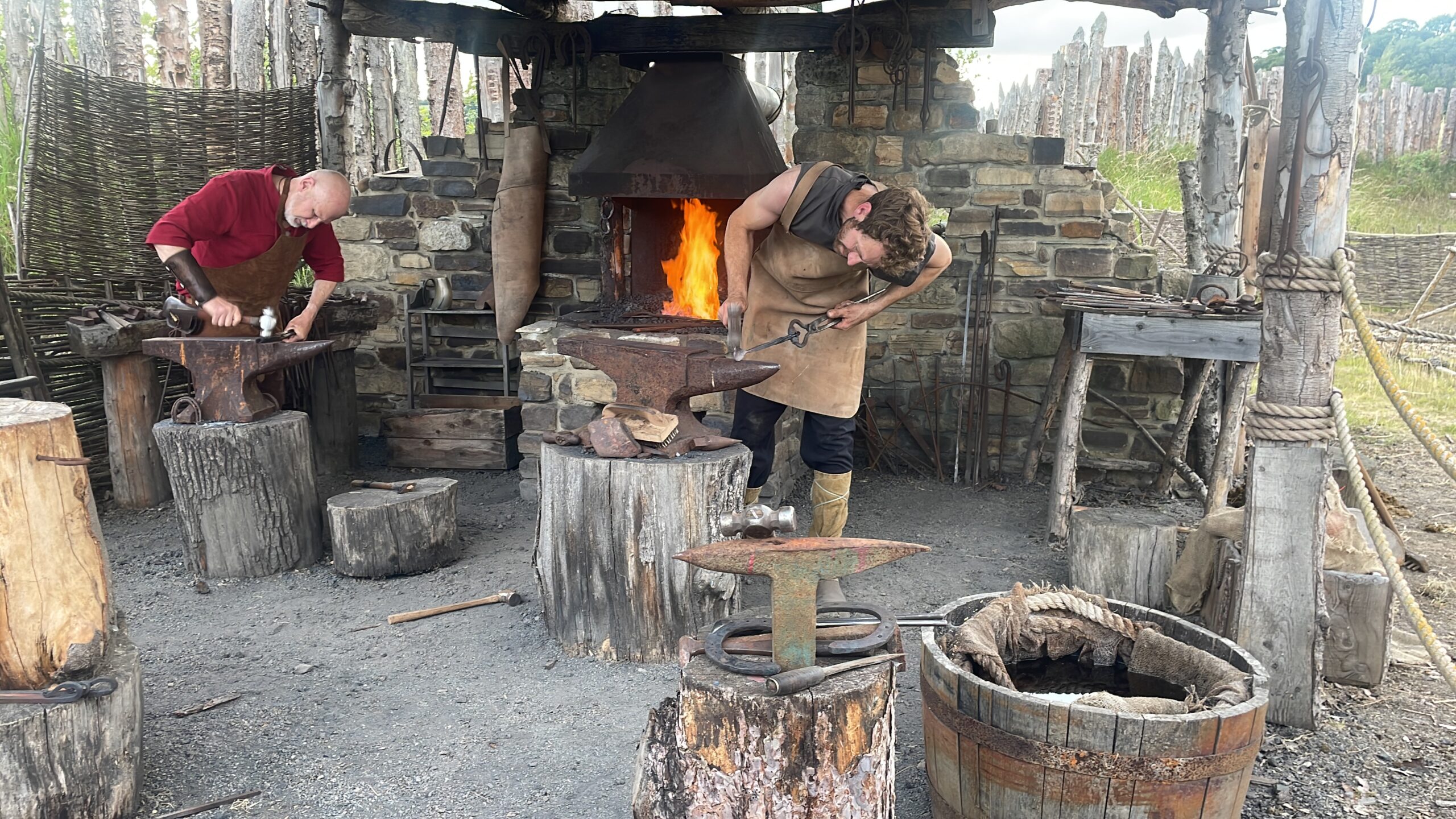
The site has also become a living educational space, with features such as a traditional Viking village that teach visitors about history, heritage, and the natural environment.
5. Looking to the Future
After ten years of success, Kynren is now expanding into The Storylands, a year-round heritage park that will host daily events in the summer season. Planned features include a conservation-focused bird show, innovative vulture breeding programmes, and new immersive storytelling experiences. Augmented reality (AR) and virtual reality (VR) are also being explored to make heritage more accessible to new audiences, including people who may not feel comfortable in large-crowd environments.
Challenges and Successes
Challenges
- Volunteer Management and Training: Coordinating over 1,000 volunteers of diverse ages, skills, and backgrounds requires significant training, organisation, and support. Sustaining motivation and ensuring inclusivity have been constant priorities.
- Sustaining Quality at Scale: Delivering a world-class production with volunteers rather than professional performers posed challenges in consistency and skill development.
- Economic Dependence on Events: As an event-based model with only around ten shows per year, there was pressure to maximise impact within limited performance slots, making resilience planning essential.
- Perceptions of Relevance: For some, heritage can feel distant or elitist. Ensuring the stories resonate with both local audiences and international visitors required careful storytelling.
- Site Regeneration and Conservation: Transforming a neglected site into both a performance space and a conservation area involved navigating environmental, logistical, and community concerns.
Successes
- Community Transformation: Volunteers contribute an average of 175 hours each per year—the equivalent of 84 years’ worth of time donated annually. Beyond the show, this has transformed lives: 90% of volunteers report improved mental health, 94% greater happiness, and 81% reduced feelings of isolation. For many, Kynren has been life-changing, offering friendship, purpose, and even routes into employment.
- Cultural and Economic Impact: With nearly 400,000 visitors to date, the production has brought £65 million into the local economy, supporting local businesses and creating jobs. Kynren has also achieved an almost five-star TripAdvisor rating, reinforcing its status as a premier attraction.
- Education and Skills Pathways: Young volunteers gain both confidence and practical employment opportunities. Individual success stories, such as that of Jayden—who began performing at nine and is now an event coordinator—illustrate the programme’s transformative power.
- Environmental Regeneration: The creation of a nature reserve, combined with responsible use of animals and conservation education, has turned a neglected landscape into a thriving, biodiverse space.
- Future Growth and Innovation: Plans for The Storylands promise to expand impact further, embedding conservation, technology, and storytelling into a year-round attraction expected to generate £195 million for the region.
Discussion
Kynren – A Tale of England demonstrates the power of heritage storytelling not only to entertain but to regenerate communities, foster volunteerism, and transform lives. What began as an ambitious theatrical project has grown into a beacon of cultural regeneration—rooted in history, powered by people, and looking firmly to the future.
Its challenges—training volunteers, sustaining economic impact, transforming a derelict site—were significant, but its successes have been even greater: a stronger local economy, improved mental health for hundreds, a revived natural landscape, and a renewed sense of pride in the northeast. What began as a performance has grown into a movement—one that continues to evolve, inspiring both those who take part and those who come to watch.
Further Resources
Websites:
Images
Image Credit: Simona Cosentino, Research Project Assistant.