Case Study
Saltaire World Heritage Site (WHS)
Brandi Hall-Crossgrove, Saltaire World Heritage Officer
Background
The case study of Saltaire demonstrates how carefully designed heritage programming can animate historic sites, foster meaningful engagement, and create a sustainable model that celebrates heritage while delivering broad cultural, social, and economic benefits.
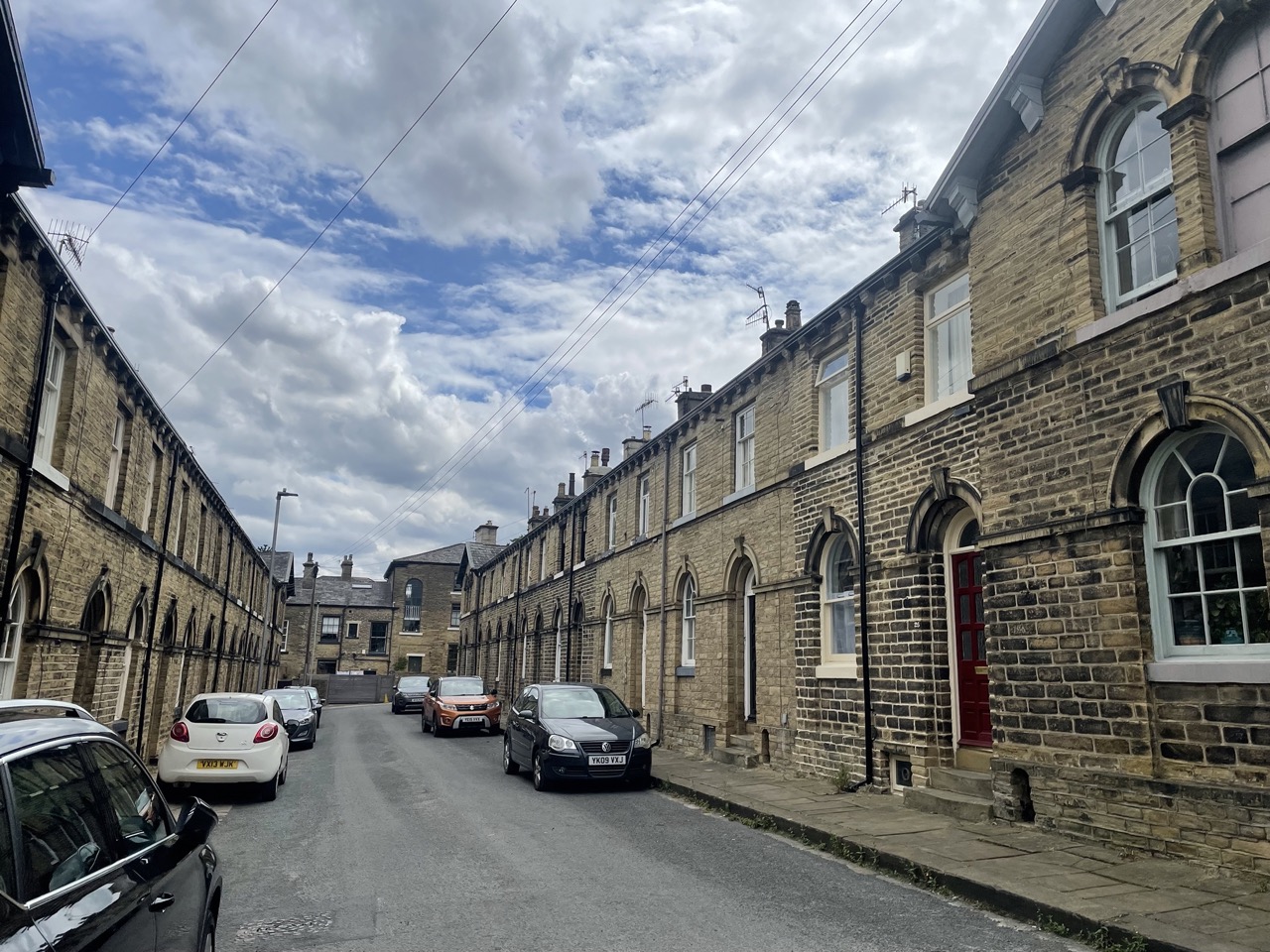
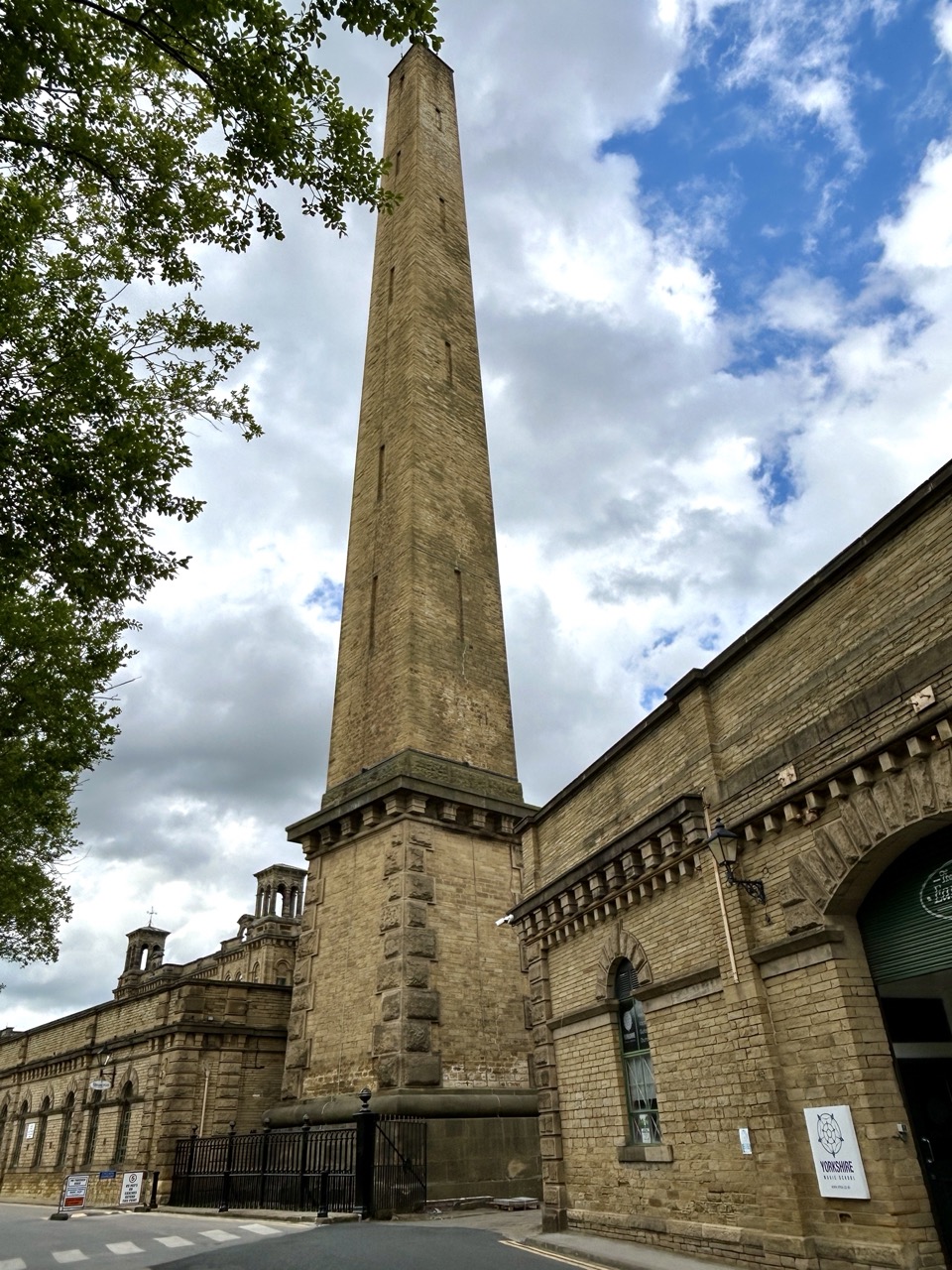
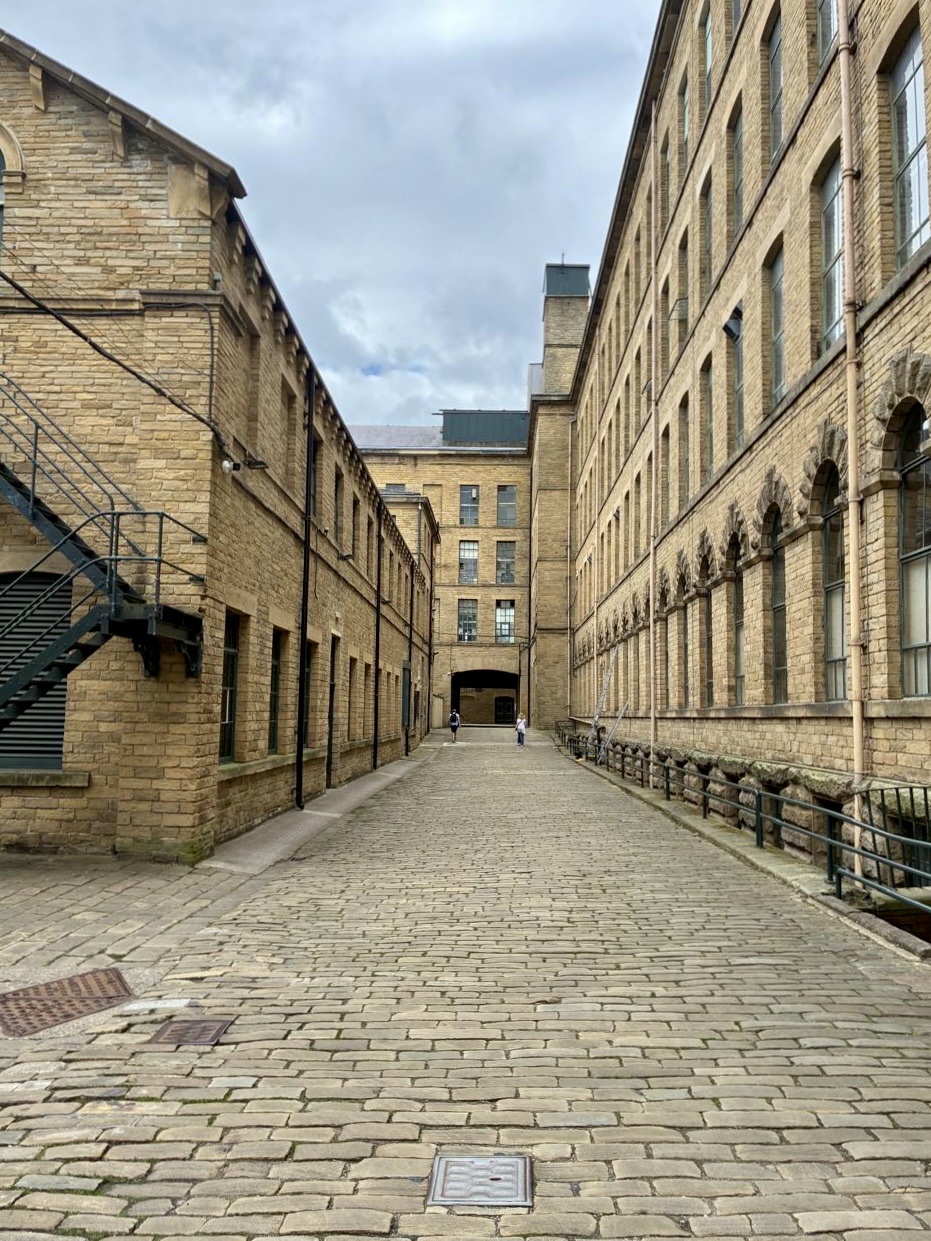
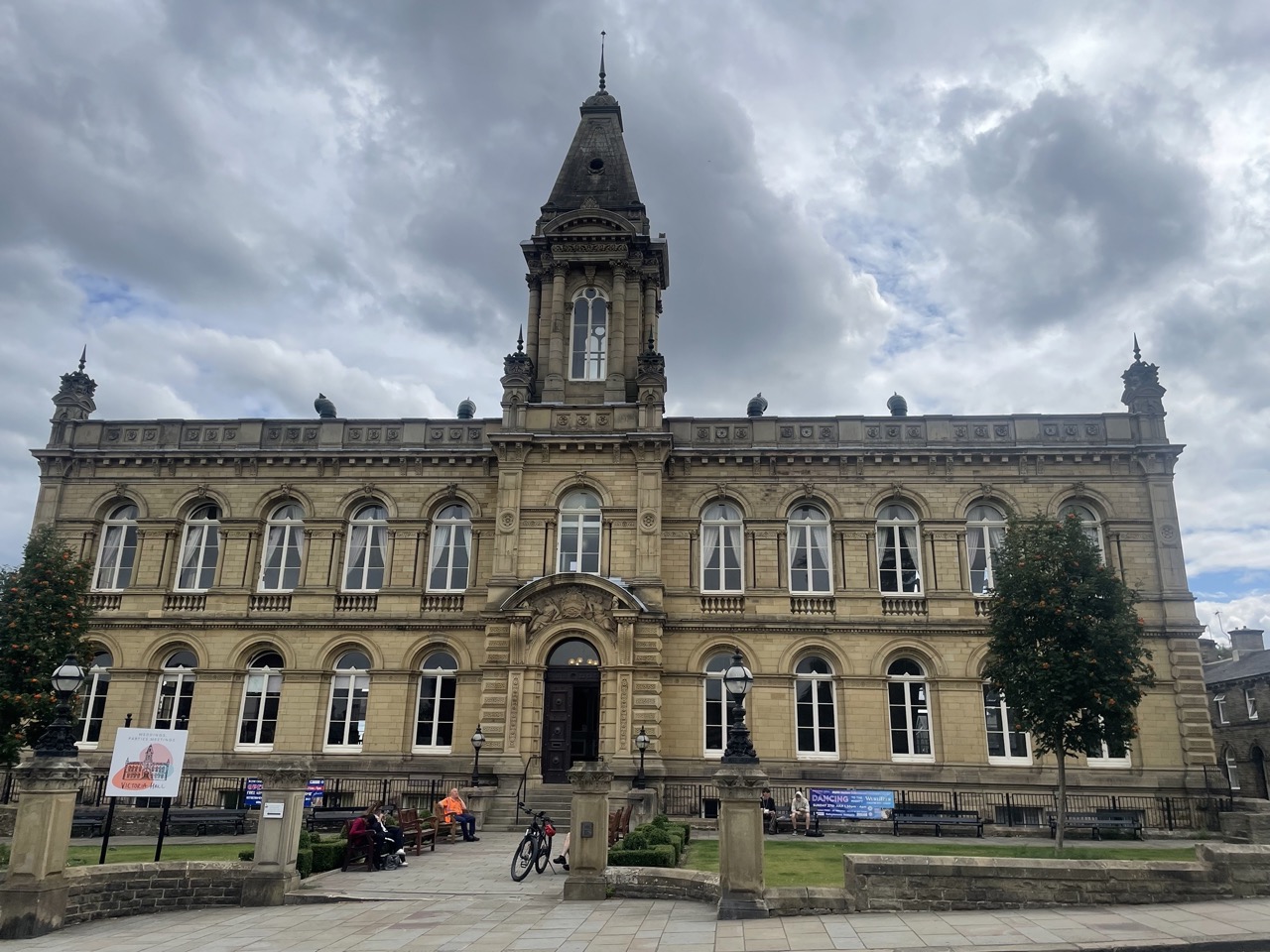
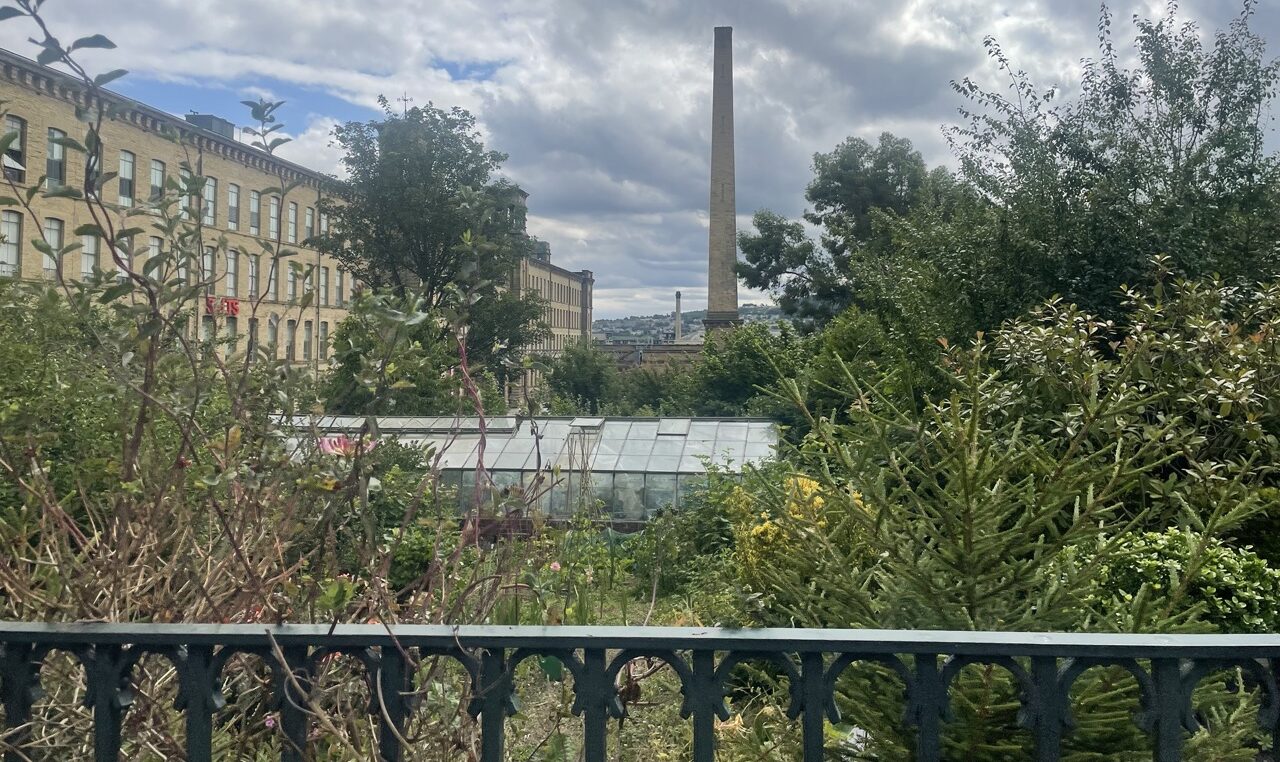
Designated by UNESCO in recognition of its Outstanding Universal Value, Saltaire is one of the UK’s 33 World Heritage Sites and a rare surviving example of a 19th-century industrial village. Founded by Sir Titus Salt, a pioneering industrialist in the Yorkshire woollen trade, the site combined a state-of-the-art textile mill with a purpose-built village for its workers. The model included stone cottages, schools, churches, a hospital, almshouses, and parks — creating what was often described as a “birth-to-death village.”
Saltaire was not just a factory settlement but a vision of social improvement, philanthropy, and order. Its architecture and planning reflect the ideals of paternalism and became influential in the later “garden city” movement. UNESCO recognised Saltaire under Criterion (ii) for its influence on town planning and Criterion (iv) as an outstanding example of a significant stage in industrial and social history.
Today, the challenge for Saltaire lies in maintaining this heritage while keeping the site alive, relevant, and economically sustainable. With limited direct funding — a common misconception being that World Heritage Sites automatically attract generous support — the community has turned to cultural festivals and partnerships as a means of safeguarding and celebrating the site.
Like many heritage sites, Saltaire faces the tension between conservation and modern use. Its historic fabric, river and canal, and unique architectural ensemble require careful protection, yet the site must also draw visitors, engage the local community, and support small businesses. A further challenge is financial. Despite its UNESCO designation, Saltaire does not automatically receive enhanced funding, often competing with less well-known areas of the council for resources. The question became: how could Saltaire ensure long-term sustainability while respecting its heritage constraints?
Approaches
The management partners, led by the City of Bradford, adopted a festival- and events-based approach to heritage stewardship. By hosting cultural, artistic, and community-driven initiatives throughout the year, they sought to:
This approach required balancing careful heritage protection with innovative programming — ensuring events celebrated Saltaire’s unique identity while drawing new audiences.
Resources
Rethinking Heritage Futures, Online Workshop “Designing Heritage Events”, 18 March 2025, Nottingham Trent University (NTU), Communication University of China (CUC).
Projects
1. The Saltaire Festival
Spanning ten days each September, the Saltaire Festival transforms the village into a vibrant hub of music, arts, gardens, and community celebration. Visitors explore hidden corners through the Open Gardens Trail, discover pop-up performances in homes, and enjoy family activities in Roberts Park. The festival culminates in markets, food, drink, and free live music, ending with a magical lantern parade.
Organising a large-scale festival in a World Heritage Site requires strict oversight to prevent harm to buildings, green spaces, and waterways. Balancing large visitor numbers with conservation needs remains a constant negotiation.
The festival has become a flagship event, reinforcing community pride and drawing thousands of visitors. Its inclusive, free programming ensures wide participation and contributes significantly to local business revenues.
2. Saltaire Inspired
This organisation brings contemporary art into Saltaire’s historic spaces. The annual Arts Trail and Makers Fair turns cottages, shops, and even residents’ homes into galleries, showcasing established and emerging artists. The Living Advent Calendar, running since 2006, lights up windows around the village with imaginative, festive displays revealed nightly through December.
Logistical hurdles include transforming domestic and commercial spaces into safe exhibition venues and coordinating a village-wide Advent programme. Sustaining community engagement year after year also requires ongoing creativity.
The Arts Trail has gained international recognition, while the Advent Calendar has become a beloved tradition, attracting both local families and global online followers. Both initiatives make art accessible, animate heritage spaces, and deepen the sense of community ownership.
3. Bradford Dragon Boat Festival
Held in Roberts Park, this lively sporting event brings together teams — often novices — to compete in dragon boat races on the River Aire. Beyond racing, the festival offers a spectacular way to experience the village, combining heritage views with high-energy activity.
Water-based events raise unique safety and environmental concerns, requiring careful risk management and strict protection of the river ecosystem.
The festival adds variety to Saltaire’s cultural calendar, appealing to new audiences and reinforcing the site’s international connections. Suggestions to invite teams from China — the cultural birthplace of dragon boat racing — highlight opportunities for cross-cultural exchange.
4. Saltaire Farmers Market and Smaller Events
Monthly farmers markets and a series of smaller cultural and community events fill the calendar, providing continuity between headline festivals. These initiatives showcase local produce, support independent businesses, and maintain year-round engagement.
While smaller in scale, these events still require sensitivity to conservation rules and limited funding.
They help sustain momentum, ensuring the site remains vibrant beyond peak seasons and reinforcing the connection between heritage and everyday life.
Challenges and Successes
Challenges
- Organising a large-scale festival in a World Heritage Site requires strict oversight to prevent harm to buildings, green spaces, and waterways.
- Balancing large visitor numbers with conservation needs remains a constant negotiation.
- Logistical hurdles: transforming domestic and commercial spaces into safe exhibition venues and coordinating a village-wide Advent programme.
- Sustaining community engagement year after year also requires ongoing creativity.
- Even smaller events require sensitivity to conservation rules and limited funding.
Successes
- Flagship event, reinforcing community pride and drawing thousands of visitors.
- Inclusive, free programming ensuring wide participation and contributes significantly to local business revenues.
- The Arts Trail has gained international recognition, while the Advent Calendar has become a beloved local tradition, attracting both locals and global online followers.
- Making art accessible, animate heritage spaces, and deepen the sense of community ownership.
- Variety of the Saltaire’s cultural calendar, appealing to new audiences and reinforcing the site’s international connections.
- Local events help ensuring the site remains vibrant beyond peak seasons and reinforcing the connection between heritage and everyday life.
Discussion
Saltaire demonstrates how a World Heritage Site can thrive by integrating heritage protection with cultural vibrancy. Through a year-round programme of festivals and events, it has overcome challenges of funding, conservation, and sustainability. Each initiative — from the arts trail to dragon boat racing — tells a story of resilience, creativity, and community spirit.
The successes are clear: enhanced economic impact, strengthened local identity, and international recognition. Yet the challenges remain an important reminder of the delicate balance required to manage heritage sites in the modern world. Saltaire’s example shows that with imagination and strong partnerships, a historic village can remain not only preserved but profoundly alive.
Further Resources
Websites:
Images
Image Credit: Simona Cosentino, Research Project Assistant.